Updated March 2026
Food allergies on the Camino de Santiago
The Camino is a life-changing experience for many. It takes you out of your comfort zone: you are in a foreign land surrounded by a different language and culture… and they eat differently too!
For many pilgrims this can be a wonderful opportunity to try new foods and discover new flavours that they may later try to recreate at home.
But if you have any food allergies or intolerances, it can be very stressful not knowing whether you can get the right food, or whether something is safe for you to eat.
In this post, you’ll learn:
-
How food allergens are labeled in Spain
-
What to expect in supermarkets and restaurants along the Camino
-
Essential Spanish phrases to communicate food allergies
Check also the post about finding vegan and vegetarian food on the Camino. I know it’s not the same, but most of the tips and vocabulary I shared in that post can be used in case of alergia or intolerancia.
Grocery shopping on the Camino with food allergies
If you decide to buy your food, you’ll be glad to know food labeling laws are strict and clear.
Here’s how it works:
-
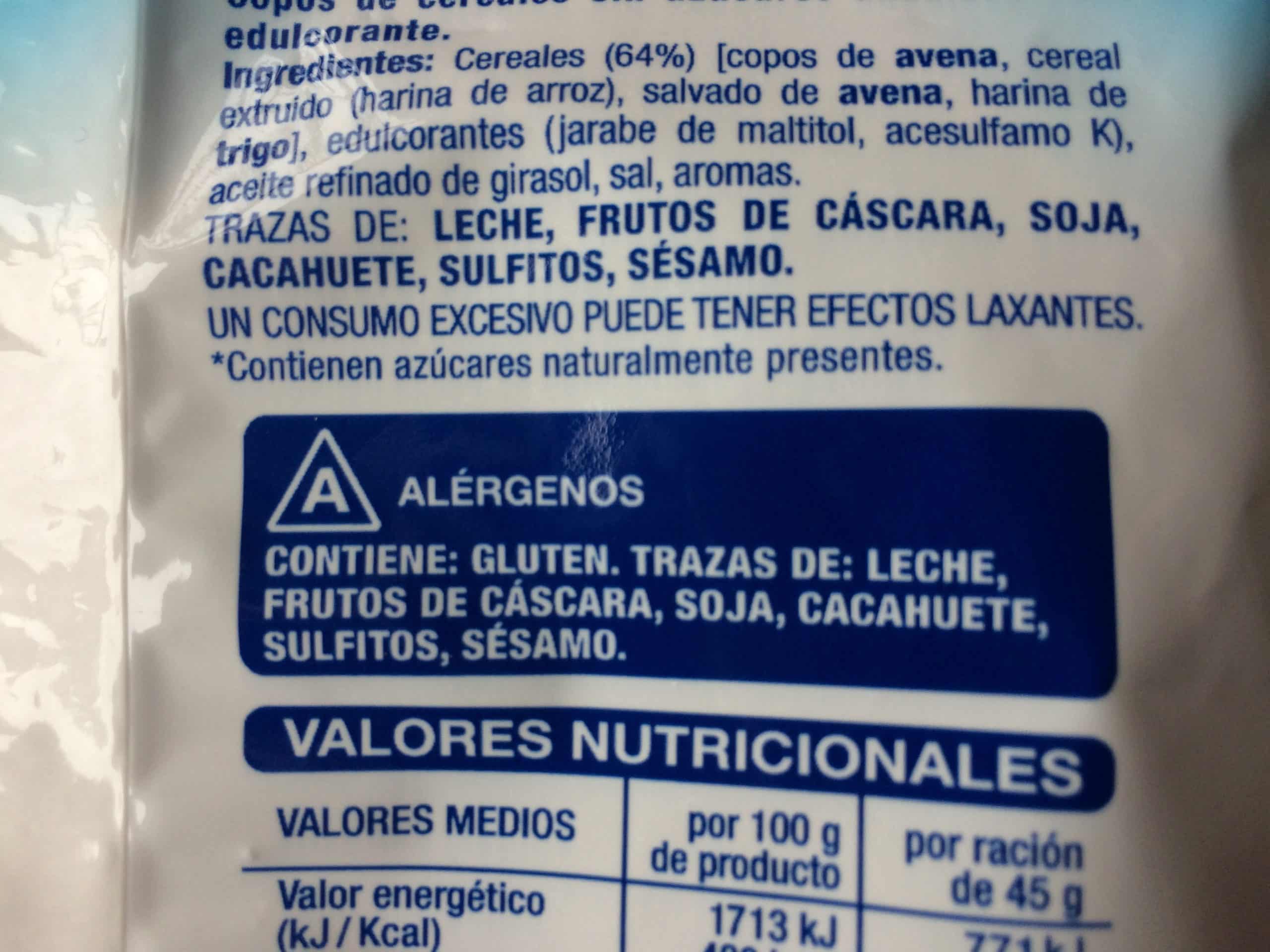
Allergens are clearly marked in the ingredient list (usually in bold or capital letters)
-
Many products include a “may contain traces of…” section
-
Some labels also include a separate allergen summary, but not always; so always check the ingredients carefully
Common Labels You’ll See
-
Sin gluten → gluten-free
-
Sin lactosa → lactose-free
-
Vegano → vegan

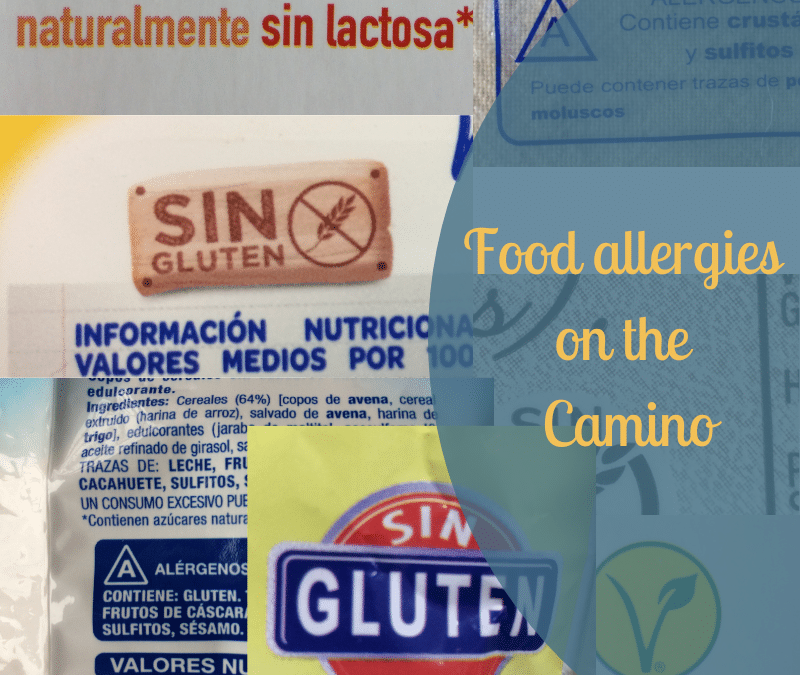
When a particular product is safe to eat for a specific group, the label clearly indicates so. You can see different examples in the pictures.

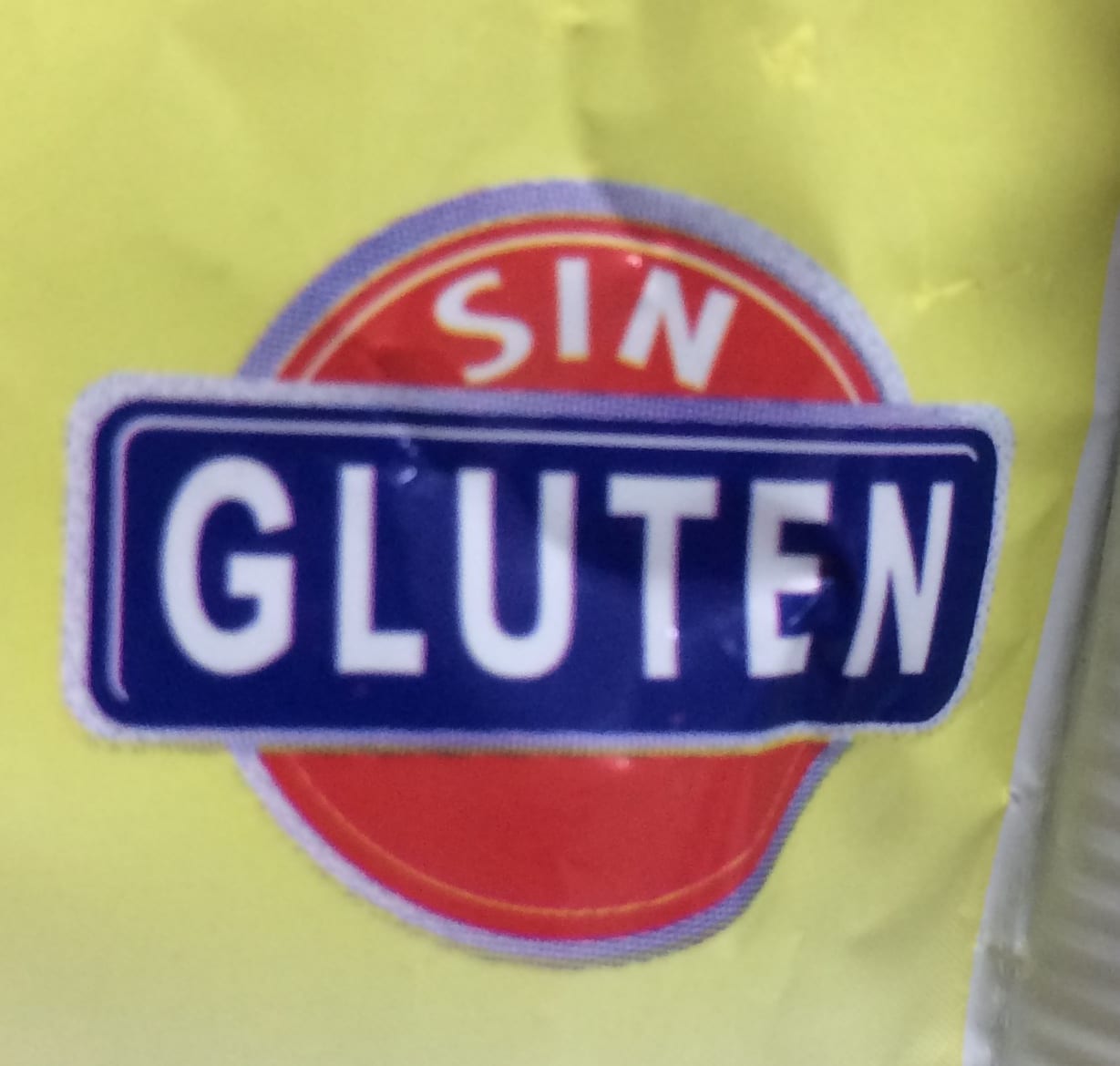
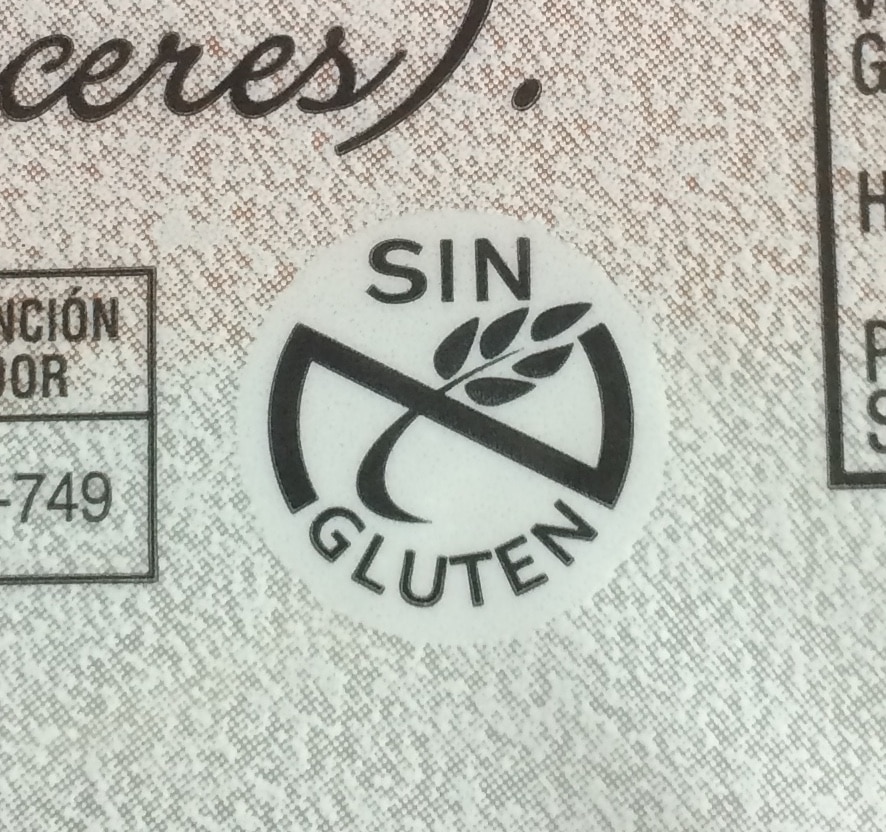
These show a variety of food products that are suitable for celíacos (celiacs), because they are sin gluten (literally, without gluten).

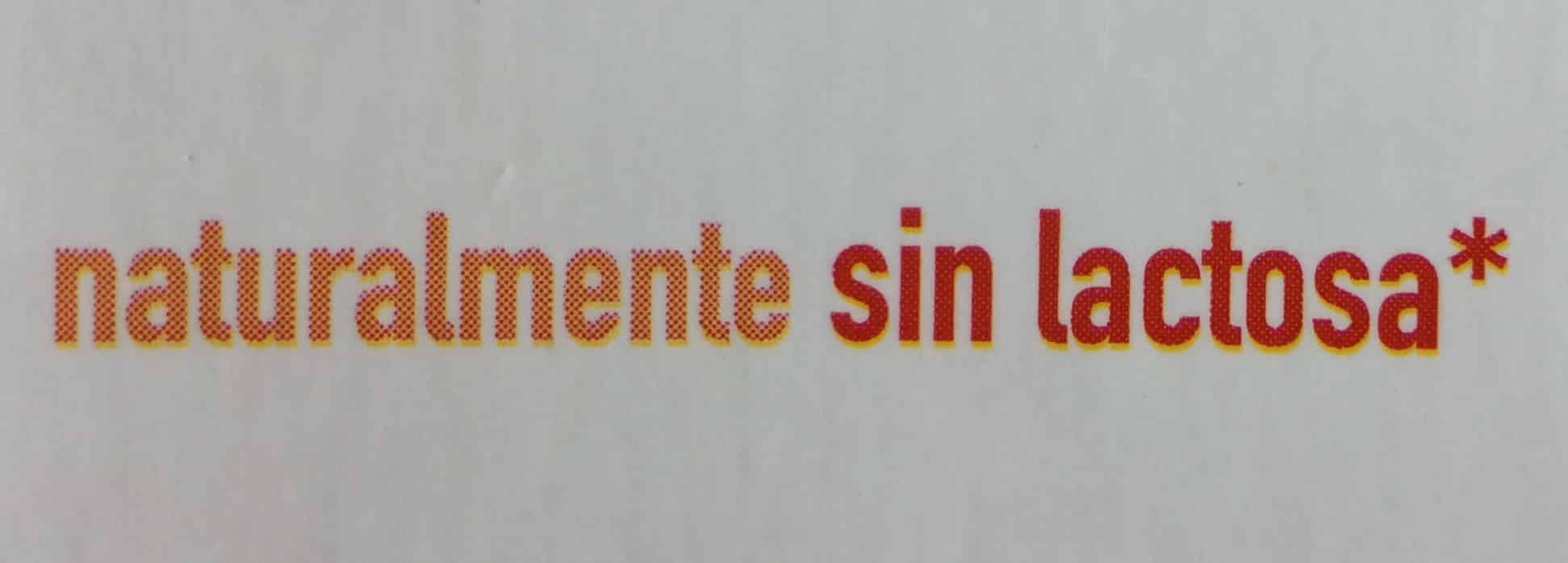
The first picture shows a product that is suitable for veganos (sin huevo y sin lácteos – no egg, no dairy), which would also make it suitable for people with egg or dairy allergies. The second one shows a product sin lactosa(lactose free).
Most supermarkets have a good selection of products sin gluten and sin lactosa, as well as plant-based alternatives. Smaller towns and villages might not have so many options, so it’s a good idea to buy a few extra things when you get the chance.
Eating out when you have food allergies
Eating outside is also possible, as long as you take some precautions.
The main thing: communicate clearly.
Many restaurants provide allergen information on their menus, often using symbols. But if you’re unsure, always ask.
Things you can say:
- No puedo comer… (+ food you are allergic to), which means “I cannot eat…
- Tengo alergia a… (again, complete with food you are allergic to).
For example, if you’re allergic to peanuts, you could say:
No puedo comer cacahuetes or Tengo alergia a los cacahuetes or a combination of both, just to make sure the message gets a cross: No puedo comer cacahuetes. Tengo alergia.
And you can also ask for an ingredient to be left out. For instance, if you don’t want cream you could ask sin nata, por favor.

* For celíacos, here’s a link, where you can find gluten-free bars, restaurants, etc.: https://www.viajarsingluten.com/en/restaurantes-sin-gluten/
This other link is specific to Galicia and includes establishments that have an agreement with the Celiacs Association to provide a menú sin gluten: https://celiacosgalicia.es/es/restauracion-sin-gluten/
Today’s Spanish vocabulary
Alergia
Celíaco
Gluten
Intolerancia
Lactosa
No puedo comer...
Cacahuete
Tengo
Nata
Want more?
Make sure you don’t miss any posts or announcements by subscribing for free here. You’ll receive a free Camino food guide. And… you’ll get access to exclusive content too.

