Pulpo á feira

Pulpo á feira

Galicia has a coastline of close to 1,500 km. So it’s only natural that pescado (fish) and marisco (shellfish) are the stars of Galician cuisine.

From mejillones (mussels) and merluza (hake) to chipirones (baby squid) or the expensive percebes (goose barnacles), there is a wide variety of sea produce to choose from.

But if I had to pick one only, it would have to be pulpo (octopus). Pulpo can be prepared in different ways. But the most popular and best known octopus recipe in Galicia is pulpo á feira, a very simple yet delicious dish. Á feira literally means fair-style.

Nowadays, you can find pulpo in many bares and restaurantes. But in the past, it was something you ate on fair days. There still are people who specialize in cooking pulpo. They go from one fair to another, set up their stall and serve pulpo.


Here’s how to prepare pulpo á feira

  • If you buy a fresh pulpo, the first thing you need to do is to clean it very well and freeze it for at least a couple of days, in order to tenderize it. Otherwise, it will be too hard.
  • When you are ready to prepare it, take it out of the freezer and let it thaw.
  • Bring a big pot of water to the boil.
  • Hold the pulpo by the head and dip it in and out of the boiling water three times. This will prevent the skin peeling off.
  • After you’ve dipped it three times, put it back in the pan and bring it back to the boil. Cooking time depends a bit on the size of the pulpo, but it will take around 30 minutes. You can check with a fork if it’s tender enough (it should be kind of “al dente”, not too hard, not too tender).
  • Once it’s cooked, take the pan away from the heat but leave the pulpo in the water for another 20 minutes.
  • Then, cut it into pieces and arrange them on a serving plate (traditionally, it is served on a wooden plate).
  • Sprinkle with sal (salt) and pimentón (paprika), picante (hot, spicy) if you like. And drizzle with aceite de oliva (olive oil).
  • Finally, serve with plenty of pan and enjoy!

Pulpo can also be served with patatas. If you prefer it this way, here’s the secret to the perfect patatas. Take some of the water you used to cook the pulpo and use it to boil them. So much nicer than just boiling them in plain water!

Have you had pulpo á feira already? Did you like it? Share your experience!


Today’s Spanish words

For more recipes and food info, download my free Camino Food Guide.

Want more?

Make sure you don’t miss any posts or announcements by subscribing for free here. You’ll receive a free Camino food guide. And… you’ll get access to exclusive content too.


¡Buen Camino!

Food allergies on the Camino

Food allergies on the Camino

Updated March 2026


Food allergies on the Camino de Santiago


The Camino is a life-changing experience for many. It takes you out of your comfort zone: you are in a foreign land surrounded by a different language and culture… and they eat differently too!


For many pilgrims this can be a wonderful opportunity to try new foods and discover new flavours that they may later try to recreate at home.

But if you have any food allergies or intolerances, it can be very stressful not knowing whether you can get the right food, or whether something is safe for you to eat.


In this post, you’ll learn:

  • How food allergens are labeled in Spain

  • What to expect in supermarkets and restaurants along the Camino

  • Essential Spanish phrases to communicate food allergies


Check also the post about finding vegan and vegetarian food on the Camino. I know it’s not the same, but most of the tips and vocabulary I shared in that post can be used in case of alergia or intolerancia.


Grocery shopping on the Camino with food allergies

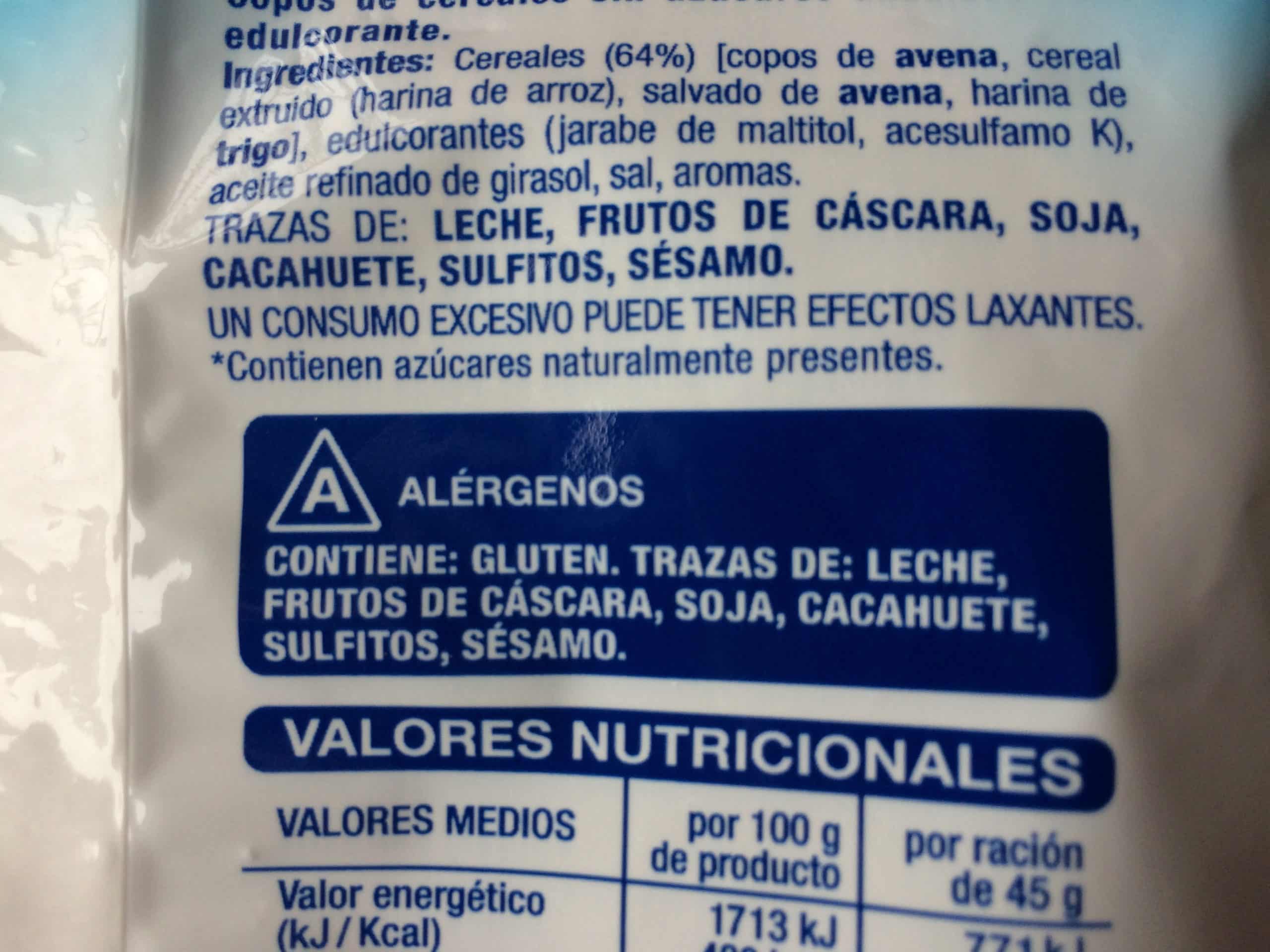
If you decide to buy your food, you’ll be glad to know food labeling laws are strict and clear.

Here’s how it works:

  • Allergens are clearly marked in the ingredient list (usually in bold or capital letters)

  • Many products include a “may contain traces of…” section

  • Some labels also include a separate allergen summary, but not always; so always check the ingredients carefully


Common Labels You’ll See

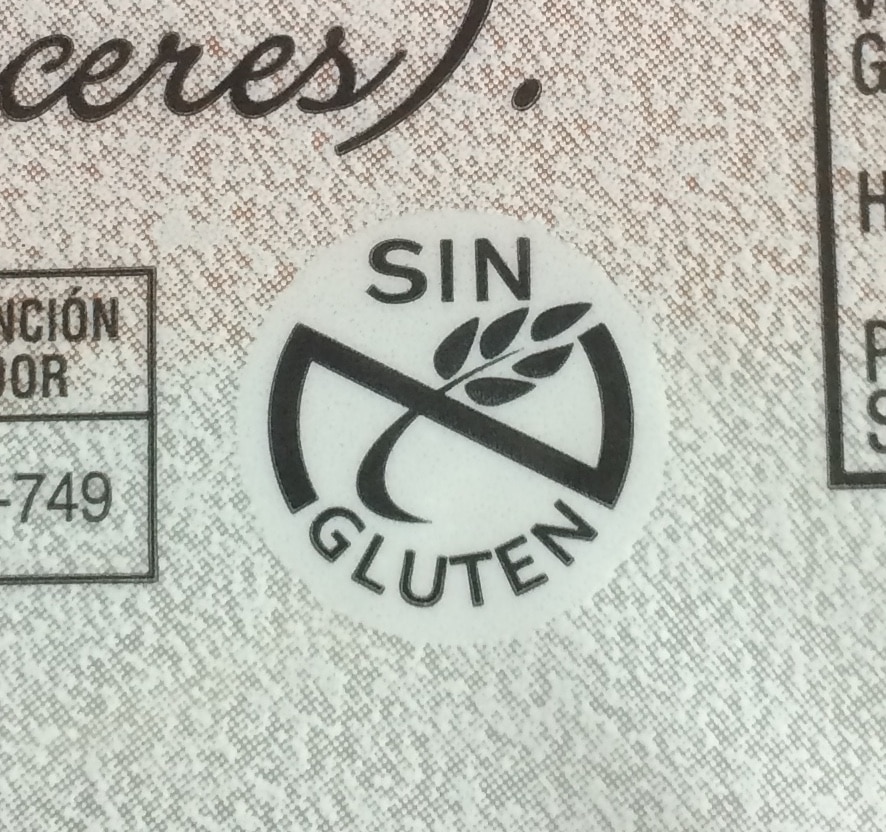
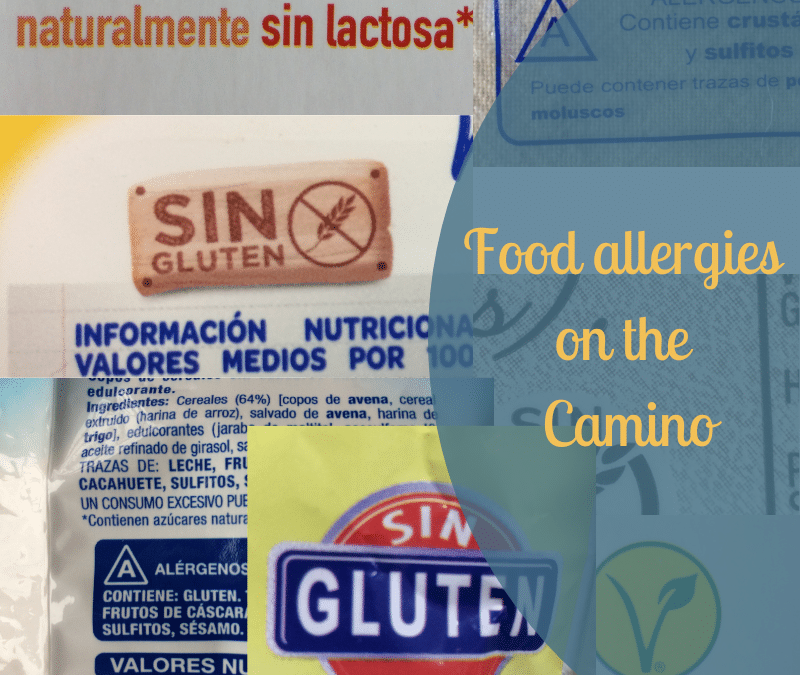
  • Sin gluten → gluten-free

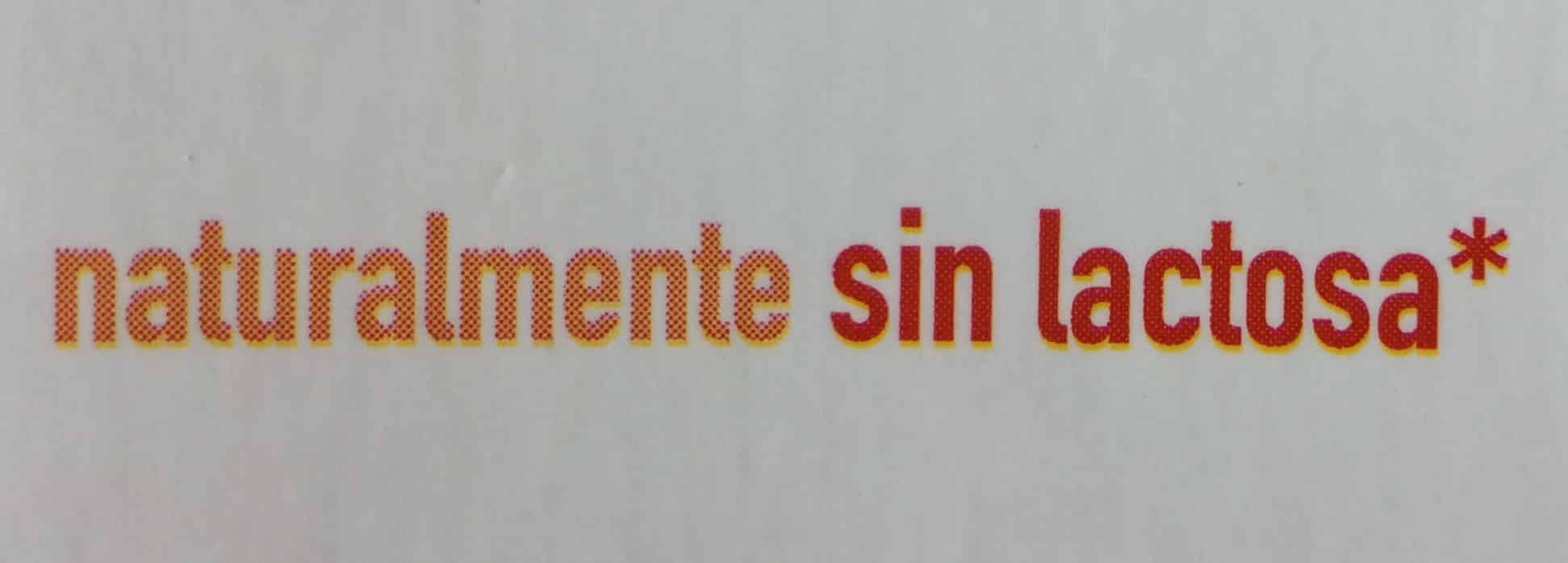
  • Sin lactosa → lactose-free

  • Vegano → vegan


When a particular product is safe to eat for a specific group, the label clearly indicates so. You can see different examples in the pictures.


These show a variety of food products that are suitable for celíacos (celiacs), because they are sin gluten (literally, without gluten).

The first picture shows a product that is suitable for veganos (sin huevo y sin lácteos – no egg, no dairy), which would also make it suitable for people with egg or dairy allergies. The second one shows a product sin lactosa(lactose free).


Most supermarkets have a good selection of products sin gluten and sin lactosa, as well as plant-based alternatives. Smaller towns and villages might not have so many options, so it’s a good idea to buy a few extra things when you get the chance.


Eating out when you have food allergies

Eating outside is also possible, as long as you take some precautions.

The main thing: communicate clearly.


Many restaurants provide allergen information on their menus, often using symbols. But if you’re unsure, always ask.


Things you can say: 

  • No puedo comer… (+ food you are allergic to), which means “I cannot eat…
  • Tengo alergia a… (again, complete with food you are allergic to).


For example, if you’re allergic to peanuts, you could say:

No puedo comer cacahuetes or Tengo alergia a los cacahuetes or a combination of both, just to make sure the message gets a cross: No puedo comer cacahuetes. Tengo alergia.

And you can also ask for an ingredient to be left out. For instance, if you don’t want cream you could ask sin nata, por favor.

tengo alergia a

 * For celíacos, here’s a link, where you can find gluten-free bars, restaurants, etc.: https://www.viajarsingluten.com/en/restaurantes-sin-gluten/


This other link is specific to Galicia and includes establishments that have an agreement with the Celiacs Association to  provide a menú sin gluten: https://celiacosgalicia.es/es/restauracion-sin-gluten/


Today’s Spanish vocabulary

Want more?

Make sure you don’t miss any posts or announcements by subscribing for free here. You’ll receive a free Camino food guide. And… you’ll get access to exclusive content too.


¡Buen Camino!

El Camino del Norte

El Camino del Norte

Next on my series about the different Caminos is the Camino del Norte, the second longest route after Vía de la Plata. It covers a distance of over 800km from Irún in the País Vasco (Basque Country) to Santiago de Compostela.

Last week I wrote about the Variante Espiritual of the Camino Portugués,, which was created around 6 years ago. The Camino del Norte, however, is as old as the Camino Francés. 

In fact, this was the route of choice for most pilgrims in the early days, since the French route was more dangerous then. But as the Spanish Reconquista advanced and the Southern territories became safer, the Northern route lost relevance and the French one became more popular.

So, for centuries, the Camino del Norte was nearly forgotten. But the huge increase in the number of pilgrims in recent years has led people to look for less crowded options. And so the Camino del Norte has seen increasing numbers of pilgrims in the last few years, making it the third most travelled Camino, after the Francés and Portugués (and still, less that 6% of pilgrims chose this route in 2017, according to the Pilgrims office statistics).*


Camino del Norte today

This route is well signposted and there are albergues along the way, although not as many as you would find along the more popular Camino Francés.

The Camino del Norte is one of great natural beauty. Some stretches go along the coast, with its playas (beaches) and acantilados (cliffs), while other sections take you inland through montañas (mountains), valles (valleys) and bosques (forests).

But it’s not all nature. You also get to see some interesting towns and you go through three different regions, before entering Galicia:

  • The starting point is the Puente de Santiago (Santiago bridge) in Irún, in the Basque region, or País Vasco, and right on the border with France. From Irún, you’ll walk through mountains to San Sebastián.

San Sebastián (or Donostia in the Basque language) is a very well known touristic city, with a beautiful playa, catedral and other interesting monuments, as well as plenty of cultural activity: It hosts an international cinema festival in September and a jazz festival in July, among others. San Sebastián is also the world capital of pinchos (see this previous post for more info).

Before you get to Bilbao you’ll pass Gernika, which is remembered by the German air raid that destroyed most of the city during the Spanish Civil War (1936-39). This massacre was depicted by Picasso in one of his most famous paintings.

Bilbao is the most populated city in the País Vasco and it has plenty to do and see. You can find more info here: http://www.bilbaoturismo.net/BilbaoTurismo/en/tourists


Camino del norte Bilbao
Camino del Norte Bilbao
  • After Portugalete, you enter the region of Cantabria, a very mountainous region. Your first main stop here is the fishing village of Castro Urdiales. The town and surrounding area is rich in history: there is evidence of prehistoric settlements, as well as Roman presence. In Medieval times, it was one of the most important ports on the Northern coast.

The capital of Cantabria is Santander, another beautiful city with plenty to do and see (playa, museums, catedral and many more monuments). The local cuisine is based on fish and seafood.

  • After Comillas, you are in the last region before Galicia: Asturias, famous for its cider, among other things. The landscape is similar to that of Cantabria, with the coast on one side and the montañas on the other.

Before you reach Gijón, you have the option of continuing on to Oviedo and joining the Camino Primitivo. But that’s for another post. For things to do and see in Gijón, check this website: https://www.gijon.es/es/turismo/descubre-gijon


Camino del Norte in Galicia

  • The first Galician town after Asturias is Ribadeo. From here, the Camino turns away from the coast as it heads Southwest towards Santiago.


Praia das Catedrais

The Camino turns Southwest before you reach this amazing beach: Playa de las Catedrales. If you have time to spare, it’s definitely worth a visit.

Camino del Norte Ribadeo coast

The coast around the Ribadeo area.

In Arzúa, you will join the Camino Francés for the last 2 stages. But before you get there, you’ll get the chance to see and enjoy Vilalba (food festivals are its main attraction) and Sobrado, famous for its monasterio, where you can spend the night (check http://www.monasteriodesobrado.org/index.php/pilgrims-hostel/).

So, what do you think? Is this the Camino for you?

*Source: https://oficinadelperegrino.com/estadisticas/


Today’s Spanish words


¡Buen Camino!

Want more?

Make sure you don’t miss any posts or announcements by subscribing for free here. You’ll receive a free Spanish vocabulary guide with your first Spanish words + cultural tips. And… you’ll get access to exclusive content too.

Variante Espiritual

Variante Espiritual

Updated: January 2026

The Spiritual Variant of the Camino Portugués

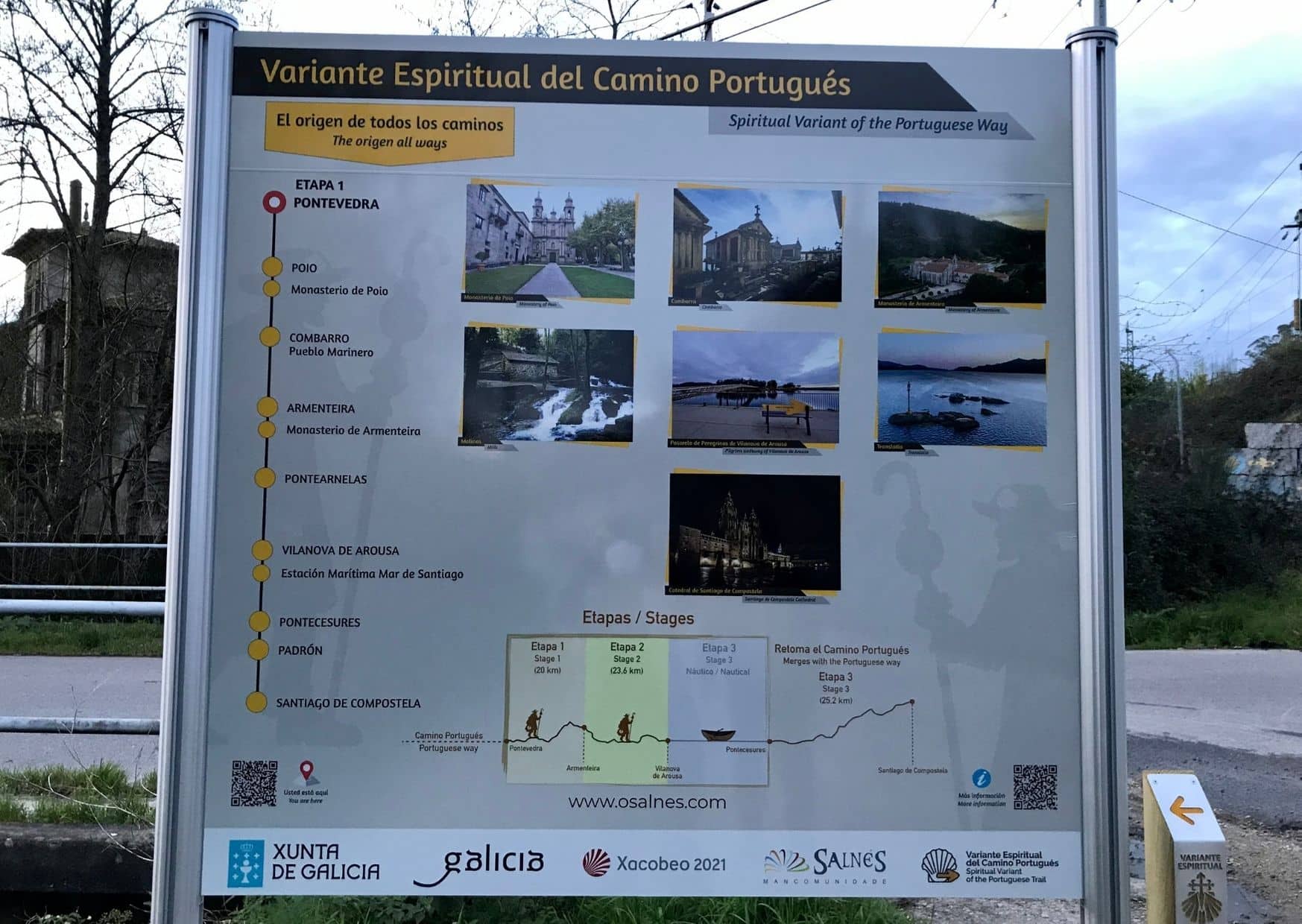
When I wrote about the Camino Portugués, I mentioned the Variante Espiritual. This alternative route starts from Pontevedra and takes you to Padrón,  where it joins the traditional Portuguese route.


The Variante Espiritual is a very recent route. It was created around 10 years ago, connecting places that were historically related to the Camino.


  • The initial part of the Variante Espiritual is based on the pilgrimage taken by Padre Sarmiento in 1745. Fray Martín Sarmiento, or Padre Sarmiento, was a Spanish scholar and monk. He wrote on a variety of subjects, including his pilgrimage to Santiago de Compostela. In his record of this pilgrimage he mentions some of the places along the Variante Espiritual.


  • The third stage follows the same route as the remains of St. James on arrival to Galicia, across the Ría de Arousa and up the river Ulla.


Where does the Spiritual Variant start?

The starting point for the Variante Espiritual is a couple of km outside of Pontevedra and it’s clearly marked with two big signs.


However, if want to be elligible to receive a Compostela, you must start walking at least in Porriño (central route) or Vigo (coastal route). Pontevedra does not meet the distance requirements for a Compostela.

Variante Espiritual

At this point, you can decide to go right under the bridge and follow the traditional Camino Portugués. Or you can go left and follow the Variante Espiritual.

Variante espiritual new sign

Go left to follow the Spiritual Variant route.

I walk up to this point frequently on my daily walks, but I’ve also kept walking to Santiago.


Leaving Pontevedra 

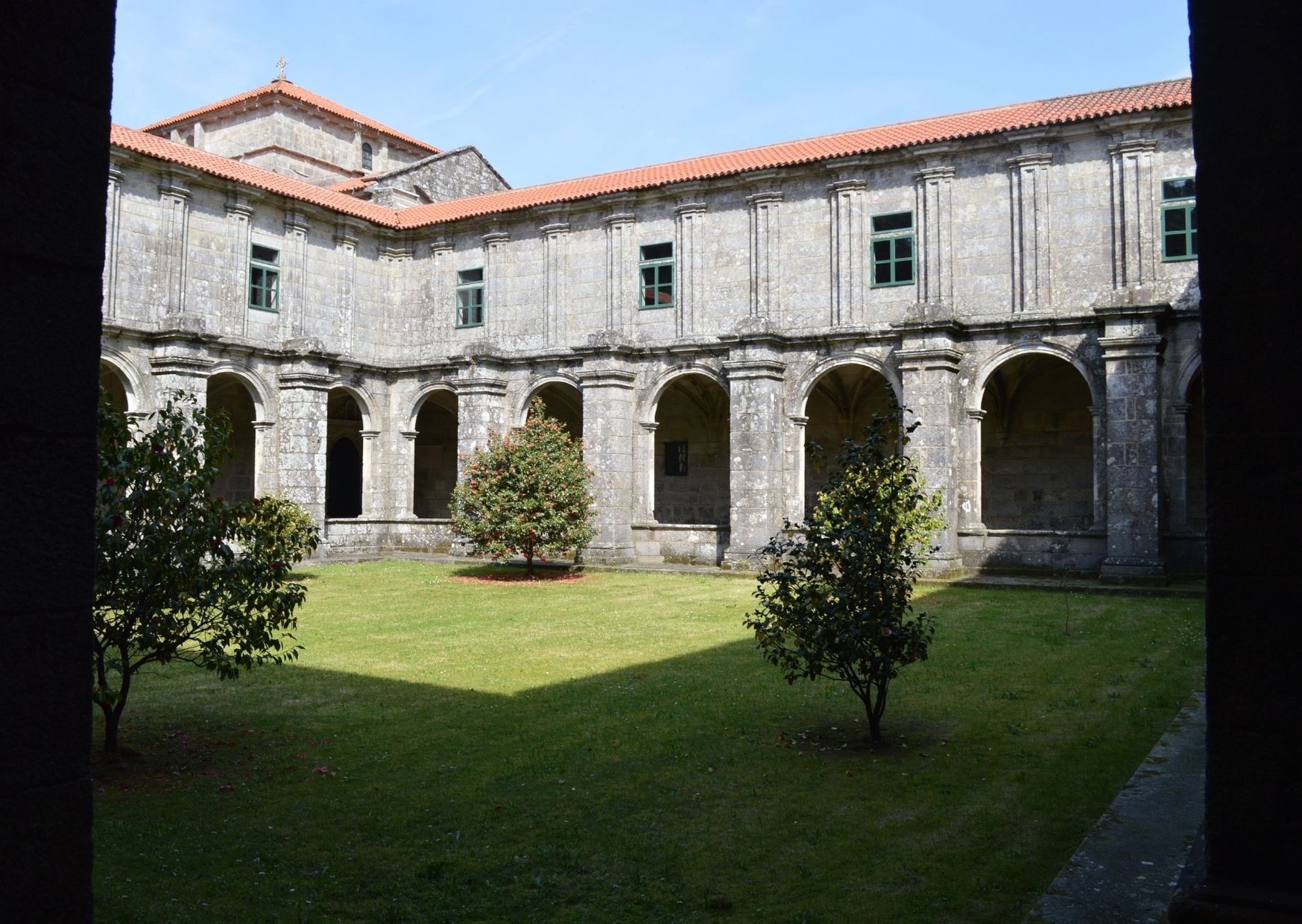
After you leave Pontevedra, you walk through rural areas until you reach the monasterio (monastery) in Poio. You can actually spend the night there, since they have an area for guests. For more info, you can check their website: http://monasteriodepoio.es.


After Poio, you go down to sea level and walk a stretch along the coast of the Ría de Pontevedra before you reach Combarro.


There is a couple of small sections on the main road, but there is plenty of space to walk. 


Combarro

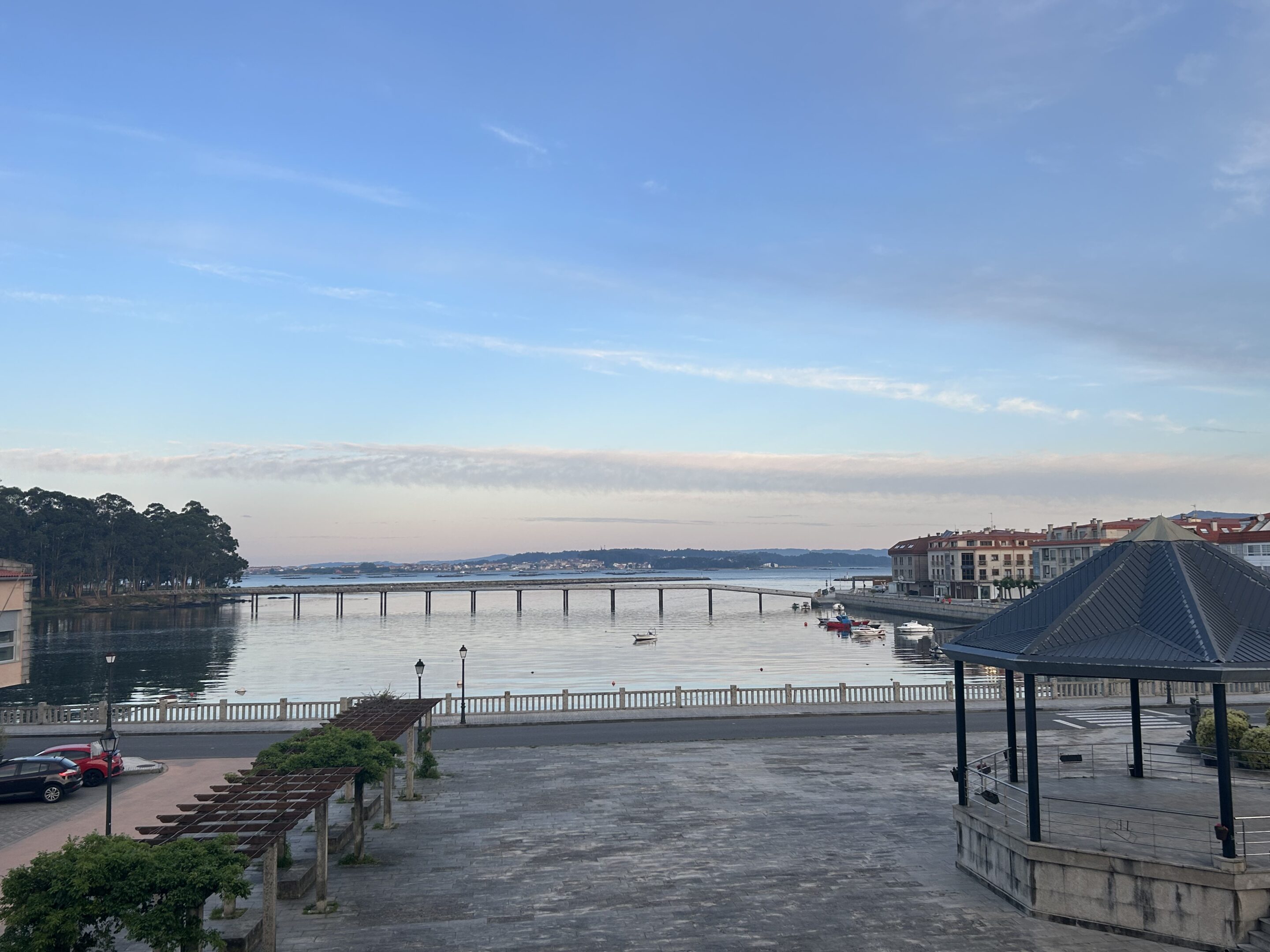
Combarro is a beautiful fishing town, famous for its hórreos (granary), a typical Galician construction. Hórreos are used to store grain; they are raised from the ground by pillars ended in flat stones that prevent access by rodents. They are made of stone or a combination of stone and wood.

You enter Combarro through the beach

Combarro, on the Variante Espiritual

One of the many hórreos you will see

Armenteira and the Ruta da Pedra e da Auga

After Combarro, you’ll be climbing most of the way to Armenteira. The first section is the steepest, but the views over the ría compensate for it. So, remember to look back every now and then.

There are not many accommodation options in Armenteira. There’s a monasterio, where you could stay More info on their website: https://www.monasteriodearmenteira.es/ There’s an albergue too. As for food, there are a couple of bars next to the monastery.

View of the Ría

View of the ría

Armenteira, on the Variante Espiritual

Monasterio de Armenteira

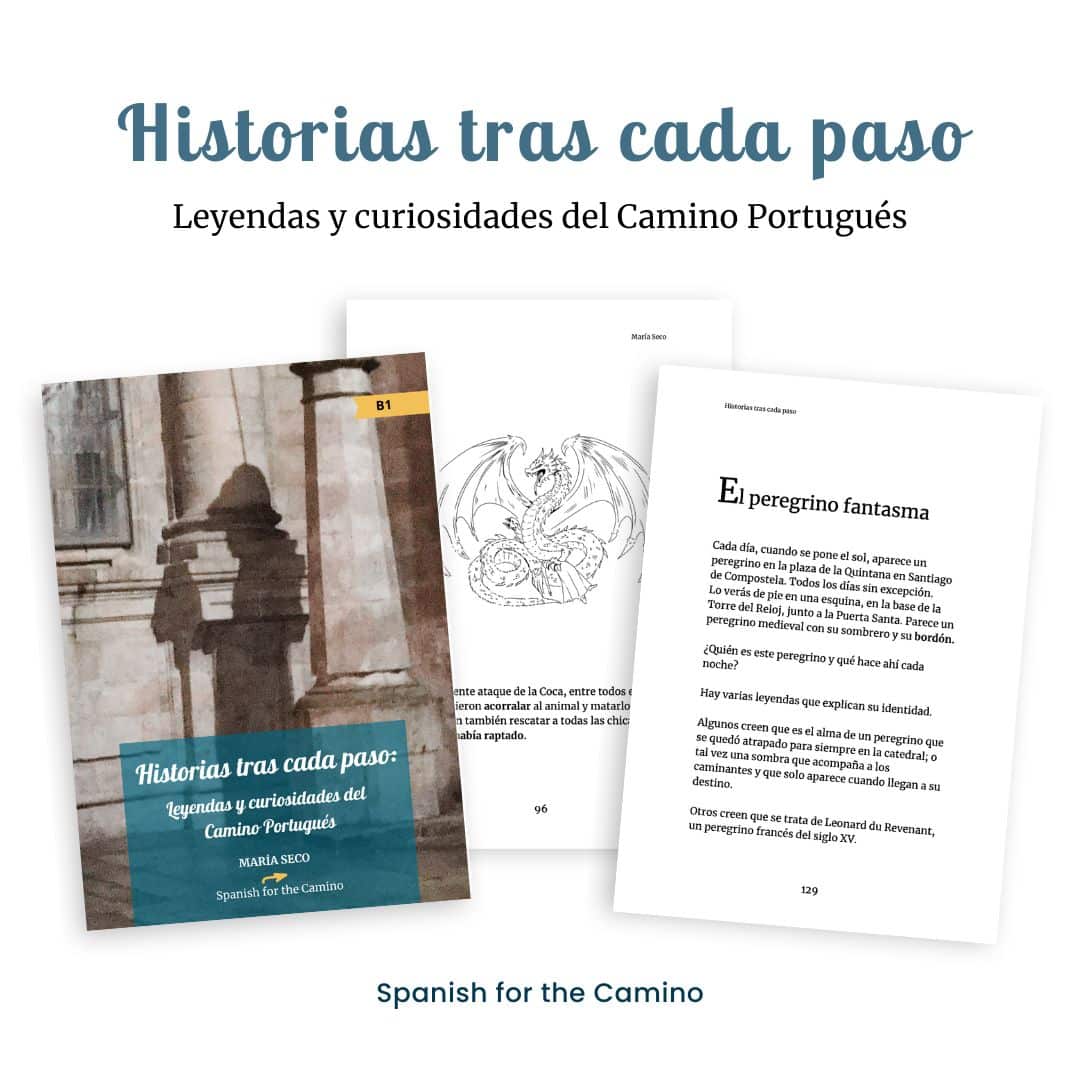
See inside book of Camino Portugues legends
Would you like to know about the miracle that happened in Armenteira centuries ago? Check my book Historias tras cada paso. Leyendas y curiosidades del Camino Portugués, a collection of legends and historical tidbits about places along the Camino Portugués; many of them are directly related to the Camino or St. James.
The book is in Spanish, for intermediate learners, and includes a vocabulary guide with English translation.

Ruta da Pedra e da Auga

The section after Armenteira is one of great natural beauty. It’s called Ruta da Pedra e da Auga (route of stone and water) and it goes along a river where you can see the remains of many old water mills.

It’s very popular with the locals, so it might be busy during weekends and holidays. 

There’s a picnic area at the end of this route, and a café a few meters down the road. 


After that, there’s a very pleasant walk along the river Umia. 

This area up to Vilanova de Arousa is known for its vineyards; it’s where the albariño wine comes from.

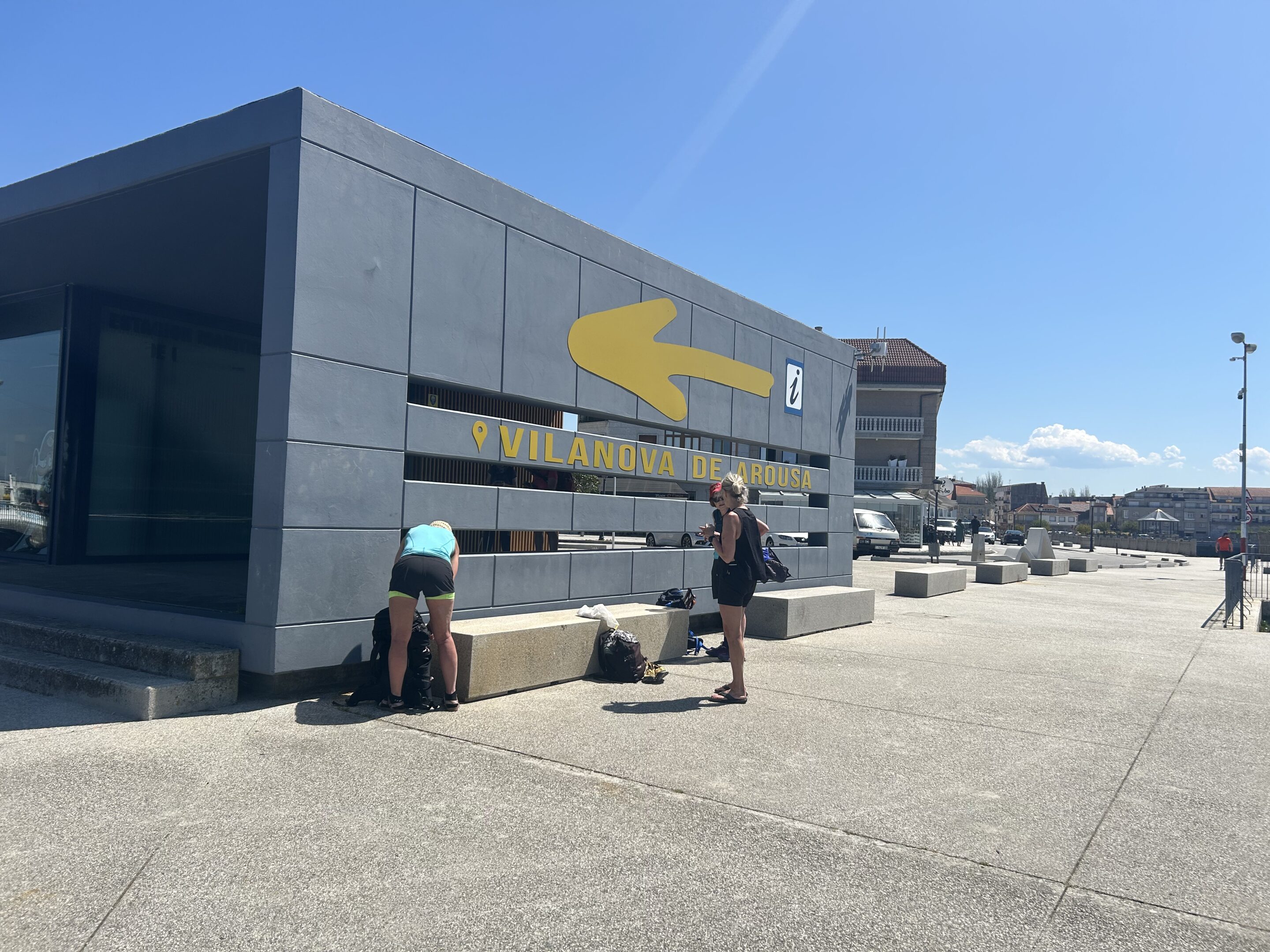
Vilanova is another lovely fishing town, and the place of birth of Spanish writer Valle-Inclán. There’s a statue of him sitting on a bench in Santiago’s Alameda. You’ll find many references to him in Vilanova. You could even visit his home, which has been turned into a museum. 

The Armenteira monastery inspired one of his books. Years later, Valle-Inclán’s son instigated the reconstruction of the monastery.


The boat trip to Padrón

Once in Vilanova de Arousa, you have 2 options:

  • You can take a boat to Pontecesures, right beside Padrón.
  • Alternatively, you can walk a 28km stage.

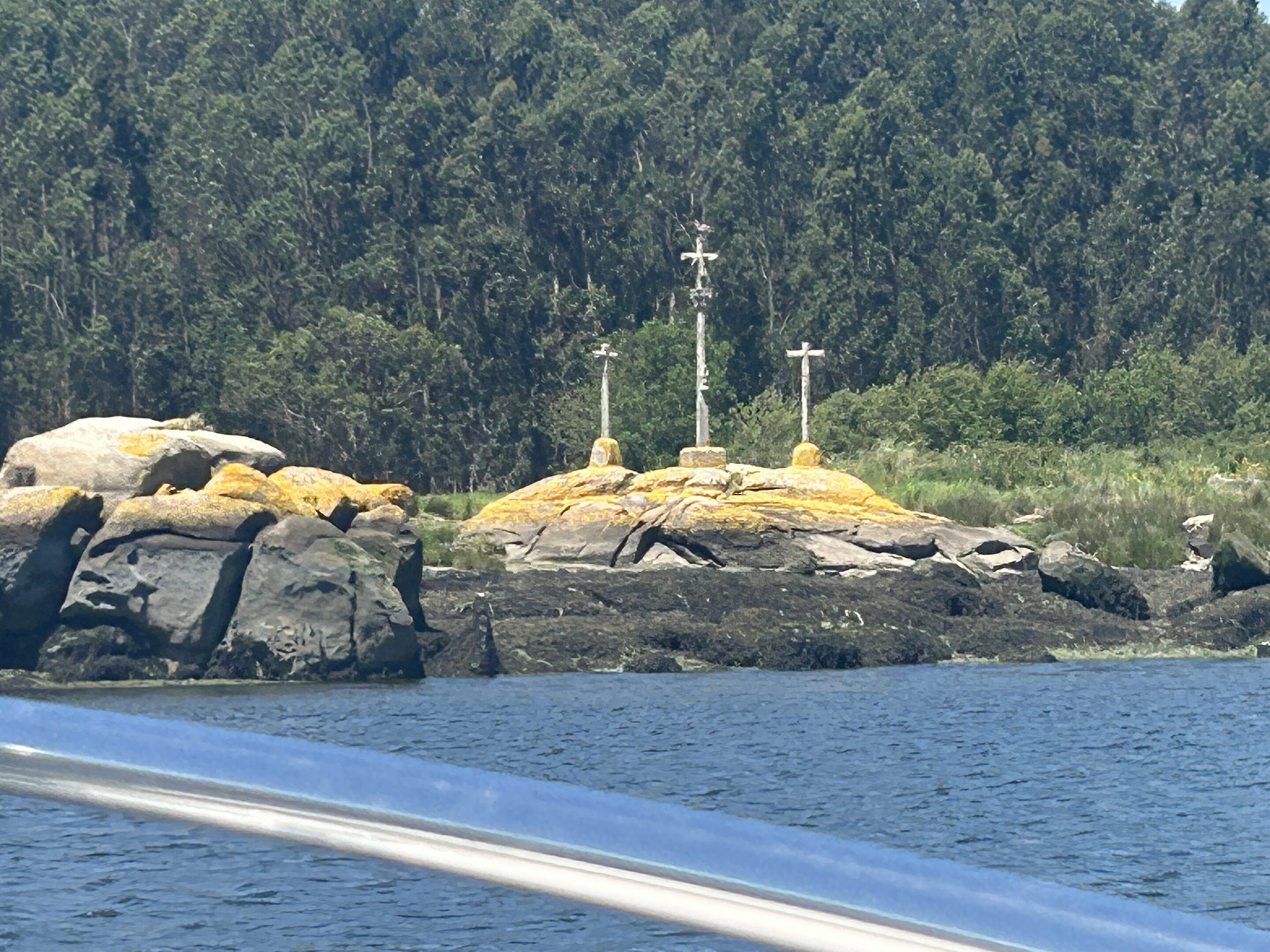
 Most people take the boat. It takes about an hour during which you’ll see the only maritime Via Crucis in the world, 17 stone crosses identifying the way followed by St. James’s remains.

There are at least 2 boat companies covering this route. It’s advisable to contact them in advance. During busy periods, you might need to book your tickets a few days before your trip. During the low season, boats might not run if they don’t get a minimum number of passengers. 


If you decide to walk, be aware that it’s a long stage. There are some beautiful sections, but there is also a lot of walking on asphalt or next to the train tracks. 


Whatever you decide, after this stage, you join the traditional Camino Portugués in Padrón.


The route is well marked. I walked it with no apps or maps, simply following the yellow arrows and didn’t have any issues. 


This is where you take the boat to Padrón

This is where you take the boat to Pontecesures

Vilanova de Arousa

Vilanova de Arousa

From the boat

Some of the crosses you’ll see from the boat

La Semana Santa

La Semana Santa

La Semana Santa (Holy Week) is one of the main religious celebrations in Spain. Unlike la Navidad (or other holidays, religious or not), it doesn’t have fixed dates. Instead, la Semana Santa is celebrated on the Sunday after the first full moon of spring, which could be anytime March 22 and April 25.

Each Spanish region, or even town, has its own particular Easter customs. But they all have some elements in common:

  • One of the most characteristic features of la Semana Santa is procesiones (processions).


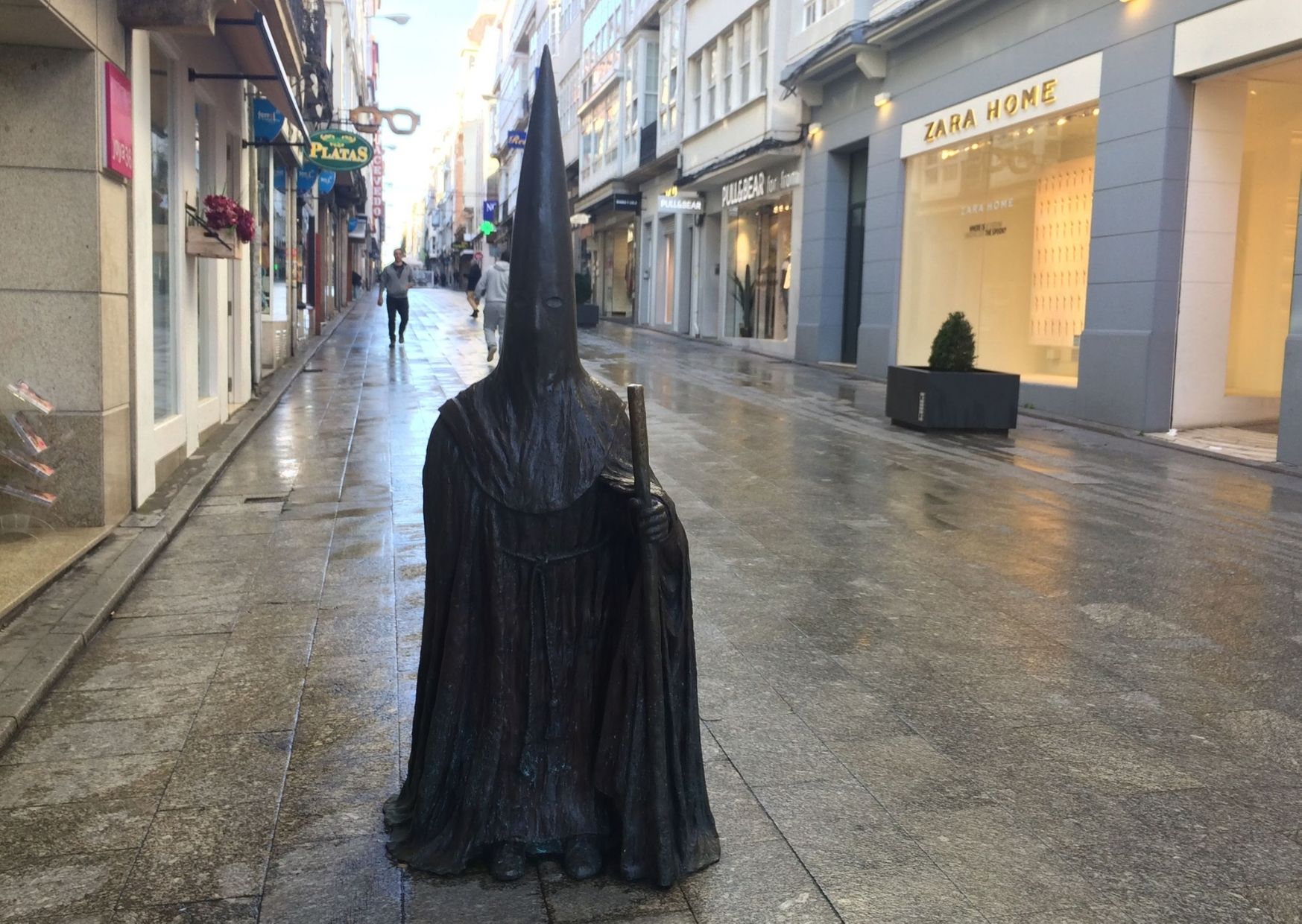
  • Cofradías (brotherhoods) are religious groups devoted to Jesus Christ or Mary. Among other things, they carry out charity work throughout the year. During Easter, they take their pasos out in a procesión. 


  • Pasos are large floats with religious statues of Jesus or Mary, lavishly decorated with flowers and candles. The members of the cofradía carry these pasos on their shoulders.

Many cofradías date back to the Middle Ages and they have owned and cared for their pasos for centuries.


The best known and intense Easter celebration in Spain takes place in Sevilla, starting point for the Vía de la Plata. There are more than 70 cofradías in Sevilla. Each brings out their own paso out in a processions, which means there are around 70 different processions between the Friday before Palm Sunday and Easter Sunday.


On the Camino Francés, we can highlight El Encuentro, in León, the solemn moment when the pasos of Saint John and La Dolorosa meet in Plaza Mayor.

So, what happens during Semana Santa? 


  • Celebrations begin on Domingo de Ramos (Palm Sunday). There’s a procesión reenacting the arrival of Jesus in Jerusalem. People carry a palm or olive branch to be blessed.


  • Although there are procesiones all week, the most important ones take place on Jueves Santo (Maundy Thursday) and Viernes Santo (Good Friday).

Viernes Santo is a national holiday). Jueves Santo is not a holiday nationwide, it is in most regions. Make sure you plan your shopping ahead.


  • Domingo de Resurrección (Easter Sunday). The procesiones on this day are less solemn and more festive than those on Thursday and Friday, as people celebrate Jesus’ resurrection.


  • Lunes de Pascua (Easter Monday) is the last day of Easter. It is a public holiday in some regions, including Navarra, on the Camino Francés. So keep it in mind if you are in that area.

If you prefer to listen in Spanish, check the podcast.

Semana Santa in Ferrol

Easter in Ferrol, starting point of the Camino Inglés, is quite big.


Easter food

But not all is about procesiones. Most Spanish people get at least a few days off work, so many use this opportunity to travel and enjoy their holidays. And, of course, food is part of the enjoyment.

There are several Easter treats that may tempt you; they vary from one region to another, but there is one you will find everywhere during Semana Santa:  torrijas.

Torrijas are similar to French toast. They were traditionally made with leftover stale bread. You slice the bread, soak it in milk and egg and fry it in olive oil. You then sprinkle it with sugar and cinnamon.

So, if you are in Spain doing your Camino during Semana Santa, I would advise you to take some time off and enjoy the celebrations. You don’t have to be religious to appreciate the culture, the art, the music… all that Easter involves.


In this other podcast episode 2 guests share how they celebrate Easter in their regions:

Today’s Spanish vocabulary


¡Buen Camino!

Want more?

Make sure you don’t miss any posts or announcements by subscribing for free here. You’ll receive a free Spanish vocabulary guide with your first Spanish words + cultural tips. And… you’ll get access to exclusive content too.