Walking with strangers

Walking with strangers

I spent last week walking with strangers. As an introvert, this is something I wouldn’t have done of my own accord, as it is way out of my comfort zone. Meeting strangers along the way is one thing. But committing to spending 6 full days with a group of total strangers is a completely different story. However, when the opportunity arose, I said yes!


So, why did I walk the Camino with strangers?

A fellow teacher, María Ortega, organises Spanish retreats in Spain every year: a few days in a Spanish city, practicing your Spanish language and learning about the culture in a natural way. We met online, maybe just over a year ago, at an online event for language teachers and we started following each other.


One day, she asked me: “Why don’t we organise a retreat together, on the Camino?”. It was a scary idea (I’d never done such a thing), but at the same time I had the feeling it could be an interesting experience, so I said yes. We picked a route (Camino Inglés), set the dates and the rest is history, as they say.


As the starting day approached, fear kicked in and a voice in my head kept saying: “What were you thinking when you agreed to take part in this crazy idea?”


But it was too late to change my mind then. I was stuck walking with these strangers.


Who were these strangers?

The only person I knew (and that was only online), was the other María. We soon became “las Marías”.


And then we had 5 men and 2 women, from several places: four from Reino Unido (UK), Inglaterra to be precise; one from Canadá (Canada), one born in China (China) but living in Estados Unidos (USA) and another one born in Polonia (Poland) but living in Suecia (Sweden).


The age range went from the 30’s well into the 60’s. So, all in all, we had quite a diverse group. I didn’t know any of these people at all before and I was not just going to teach them a lesson or two. I was going to spend a week with them! All day. Walking together for hours every day, sharing conversations, meals and even rooms.

Walking with strangers

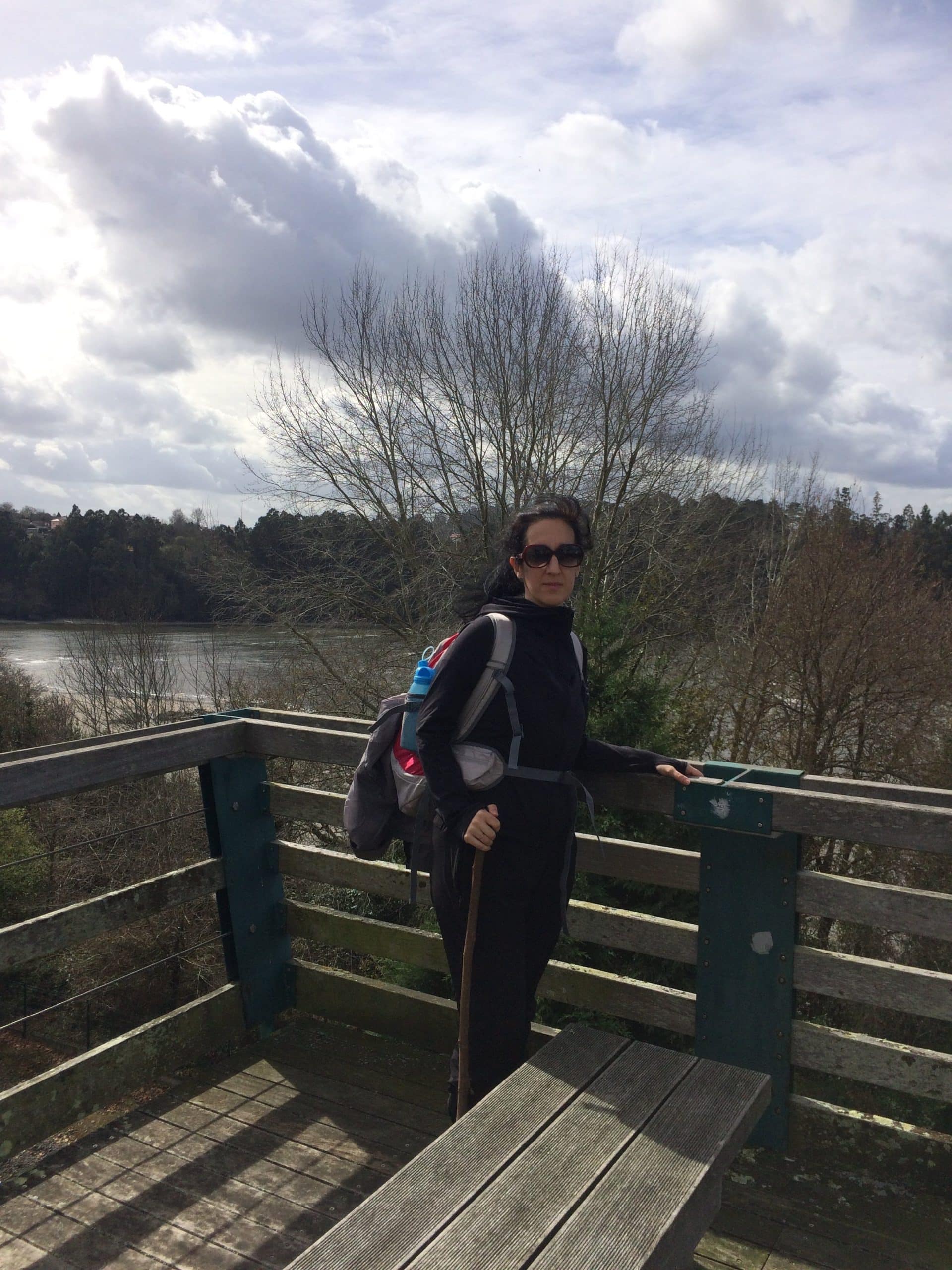
On the last day, somewhere between Sigüeiro and Santiago. I’m the shadow taking the picture.

(Get this episodes’s transcript for free here)


As I said earlier, I’m an introvert, and I enjoy spending time in my own company. So, as the starting day approached, I was feeling a bit anxious.


I know people meet other peregrinos on the Camino and sometimes they remain friends for years or even get married (read Julia’s story). But you normally have the choice to walk with someone or not. I did not have that choice and that thought worried me a bit. But I applied the Galician philosophy of Maloserá* and hoped for the best.


The truth is that I soon found out I needn’t worry. Despite being a mixed group of different ages and backgrounds, these people were all lovely in their own different ways. By the end of the week this group of strangers had almost become family and it was hard to part.


I’ll detail our journey in future posts, as I’m still trying to process the experience and I’m not back to my normal self (maybe I’ll never be?). So, for today, I’ll leave you with some thoughts.


I was wrong

I’ll be honest: I didn’t anticipate the effect this Camino has had on me. I know most people talk about the life-changing nature of the Camino and the emotion they feel when they reach Santiago. But somehow I didn’t think I would be so touched, for several reasons:


  • First, I was on the Camino for una semana (a week) “only” and I didn’t think it would be long enough. I thought I would have to walk for weeks to experience all of that, but I was obviously wrong.


  • I’m from Galicia. So, even if I hadn’t been to all the places the Camino goes through, I’m home. I’m not walking on exotic lands. I’m familiar with el paisaje (landscape), la comida (food) and the languages (both Galician and Spanish). Well, it was still somehow different, maybe because I was showing it to others.


  • I’ve been to Santiago many times. In fact, I lived in Santiago for a couple of years when I was in college. I’ve been on Praza do Obradoiro countless times, I’ve crossed it in all possible directions, I’ve heard la gaita (bagpipe) millions of times too… Why would this time be different? Yes, your guess is right: I was wrong!


  • I was walking with a group of strangers and this was supposed to be more of a “work thing” than a spiritual pilgrimage. Of course, I was wrong again! There was no teacher and student division; we were all together in a journey full of lessons to be learned by all of us.


Maloserá


*Maloserá. This Galician word does not have a literal translation. Google Translate will tell you it means “it will be bad”, but in fact it means quite the opposite. It’s an expression of our optimism and you can use it in any potentially negative situation. It means that you shouldn’t worry, that things will be OK, that it’s probably not as bad as it looks, that you are going to be alright…


Basic Spanish vocabulary


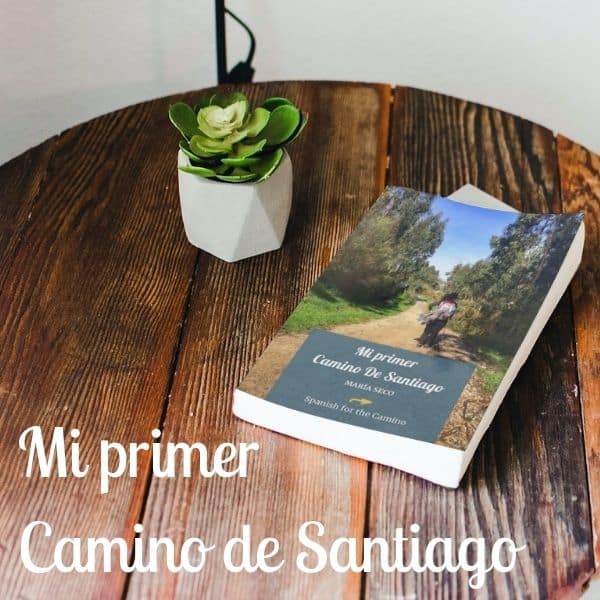
Mi primer Camino short novel for beginners

Mi primer Camino de Santiago is a short novel written in easy Spanish (A1-A2), perfect for those who have walked or are planning to walk the Camino de Santiago in Spain and want to improve their Spanish skills. But it’s also suitable for anyone looking for a fun and effective way to improve their Spanish through stories.

And it’s set on the Camino Inglés, so you can also learn about this route while you read.

Would you like to know how the experience went for the others? You can read my conversations with James and Richard.


Want more?

Make sure you don’t miss any posts or announcements by subscribing for free here. You’ll receive a free Spanish vocabulary guide with your first Spanish words + cultural tips. And… you’ll get access to exclusive content too.
¡Buen Camino!

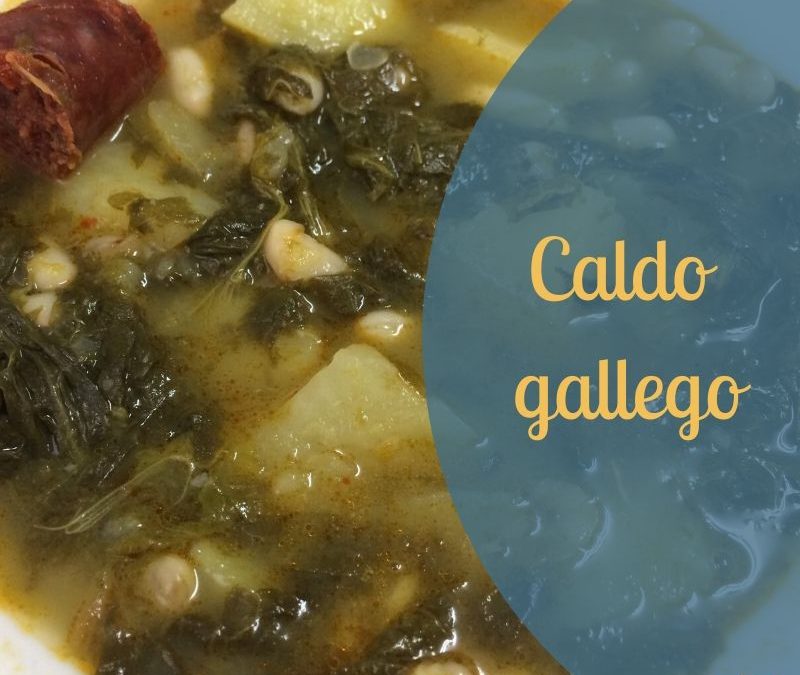
Caldo gallego

Caldo gallego

Would you like a bowl of caldo gallego? Once you enter Galicia, you will find it in many menus, especially during the winter months.

We’re well into la primavera now. The weather was quite nice in marzo (March), but then abril (April) started and back came la lluvia (rain) and el frío (cold).

It’s almost mayo (May) now, but the weather is still quite unstable, so I decided to share the recipe for caldo gallego, the perfect dish to warm you up, as well as to get your energy back after a long day’s walk.


But what is caldo gallego?

Caldo gallego (or simply caldo) is a hearty soup made with potatoes, green leaves and beans. As with most traditional dishes, there is not one recipe only, but many variations. And it’s best to prepare a big pot that will last at least a couple of days: caldo tastes much better the day after you make it.

This was originally a farmers’ dish, and it was also a vegetarian dish most of the time, mainly because meat was scarce. As living conditions improved, adding meat to the broth became more common. And even if you don’t see any meat on your plate, el caldo gallego is hardly ever a vegetarian dish these days, as most people use a little piece of unto (cured pork belly fat) to add “substance”.

What do you need?

If you want to make this a vegetarian dish, you will need 3 ingredients, plus salt.

  • 200g de alubias blancas (white beans).
  • 4 patatas (potatoes).
  • 300g de grelos (turnip tops, in the picture), repollo (white cabbage) or berzas (collard greens).
grelos para caldo

 If you are not making it vegetarian, then you have several options.

As I already mentioned, most people add a little piece of unto, which you can substitute with some pancetta. You can also add carne (meat), usually beef or pork, a ham bone and/or chorizo. Some people add all of the above, some others just one or two things… It’s really up to you.


How do you make caldo?

If you’re using dried beans, you need to leave them to soak in water for 10-12h, but you can skip this step if you use cooked beans.

  • For the vegetarian version, using dried beans:

First, put the beans into a big pot and cover them with water. Bring to the boil, skimming off the foam when needed.

Let them simmer for 45 minutes to 1 hour, until the beans start to soften. Meanwhile, peel and chop the potatoes; wash whatever greens you are using and remove any thick stalks they may have.

When the beans start to get soft, add the potatoes and greens to the pot and let everything simmer for another 20 minutes or until everything is tender. And don’t forget to add salt to taste.

  • If you are using cooked beans, boil the potatoes and greens first and, when they start to soften, add the beans. Let them simmer for a few more minutes.


  • If you are using unto or meat, add them to the pot at the beginning, with the beans. That’s if you’re using dried beans. Otherwise, you can let the meat cook for a bit before you add the potatoes and greens. Chorizo does not need to cook for so long. You can add it within the last 10 minutes.

Before you serve it, take the meat and chorizo out and cut them into pieces. Serve in a big bowl with crusty bread.

¡Buen provecho!


Today’s words of Spanish for the Camino


For more recipes, check here.

Want more?

Make sure you don’t miss any posts or announcements by subscribing for free here. You’ll receive the transcripts + vocabulary guides + interactive exercises of episodes 1-5 of the Spanish for the Camino podcast. And… you’ll get access to exclusive content too.


¡Buen Camino!

A conversation with Catherine

A conversation with Catherine

Catherine had been following this blog for a while before she decided to join my Challenge last summer. She was preparing for the Camino Portugués later in the year. As you may already know, I live on the Camino Portugués, so we thought we might actually meet in person when she passed through my town. Unfortunately, that was not possible in the end, but we still managed to have this conversation online, so you can now read the story of her Caminos.

Please tell us a bit about yourself.

CatherineI live outside Portland, Oregon in the US. I moved here two and a half years ago from Seattle after taking an early retirement and now I have plenty of time to travel! This part of the US, the Pacific Northwest, is beautiful and I love living here. Seventy miles west of us is the Pacific Ocean and 70 miles east of us is Mount Hood. We now live in a planned community where I can walk to almost everything I need. I feel very fortunate.

When did you first hear about the Camino? When/why did you decide to do it?

Both my father and my brother recommended the movie “The Way” to me several years ago but I didn’t know anything about it and it was probably about a year later that I finally watched it. Like so many others, I became captivated with the idea of doing the Camino. A year or so later, “Walking the Camino: Six Ways to Santiago” was screened near me and after that I was fully obsessed with the idea of doing the Camino.

After I retired my husband told me to stop talking about it and just go! I started out on my own from Saint Jean Pied de Port on September 20, 2017 and finished in Santiago de Compostela on November 4, 2017, the day after my 60th birthday. Even well into my journey I didn’t know why I was there – I just felt “called” to be there. Eventually I knew that my own soul had called me there. I loved everything about the journey and wished that I could have kept walking and walking.

Did you prepare either physically or mentally? How?

I was totally obsessed with preparing for my first Camino, although it would have been good to put as much energy into training as I put into gear testing! I spent hours and hours reading books and following Facebook groups. I thoroughly enjoyed the planning. The CAMIGAS Facebook group was especially helpful to me. The discussions there gave me the confidence to walk the Camino alone.

That was not your only Camino. Tell us about your other Camino.

Last September I was fortunate to walk the Camino Portugués with a friend from Porto to Santiago de Compostela. We started on the Coastal Route and then cut over to Valença along the Minho River. There were certainly some stunning places along the Camino Francés but I found the Camino Portugués to be more consistently pretty and I loved that nearly all the churches in Portugal were open. The people, in Portugal especially, were very friendly and helpful and of course the Portuguese pastries are worth the trip! Fortunately my traveling companion agreed to learn some Portuguese because I found the language very difficult. I took over once we were in Spain.

How do both experiences compare?

I still think of the Francés in 2017 as “My Camino” because, for me, walking 12 days on the Camino Portugués didn’t match the transformational experience of walking for 46 days on the Francés. I’m grateful for having had the time, health and resources to make that journey. On both the Camino Francés and the Camino Portugués I felt like I was surrounded by kindness and I have tried to bring that into my daily life at home. There is (generally) no reason not to be kind. And I now smile and say hello to everyone I pass on the sidewalk. Well, not on the busy city sidewalks!

Did you learn any Spanish prior to the Camino? Do you think this had any impact on your Camino?

Before my first Camino I learned some basic Spanish vocabulary recommended for peregrinos, but I discovered as soon as I got to Spain that it was pretty inadequate. I might have been able to read a little but I certainly didn’t understand what people were saying. It’s true that you don’t need to know Spanish to do a Camino but I wished I had been able to communicate better. I would have liked to have connected more with the Spanish people along the way.

Any difference between your first and second Camino?

So before I went back last year I made more of an effort to learn more Spanish vocabulary. Doing the Challenge with you taught me the pronunciation rules and that gave me a lot more confidence learning new words. I don’t know if I will have the opportunity to go back to Spain but I haven’t given up learning Spanish. In a couple of weeks I’ll be starting my second session of Spanish Through the Arts, a class offered at my community center where we practice Spanish through songs and dances and coloring and doing little plays. It’s great fun!

Catherine’s Spanish words

I usually ask my guests to pick a few Spanish words or phrases: the ones they think every pilgrim should know before their Camino, the ones they knew, the ones they learnt… Catherine chose

  • one she learned along the Way: Una cama baja, very useful if you prefer the lower bunk in the albergues.
  • Her personal favourite: un café con leche grande, por favor. Does this need further explanations?
  • And finally, two more she wished she knew for her first Camino: a la derecha (to the right) and a la izquierda (to the left). I know a la izquierda is not the easiest to pronounce and I also know it was also a bit of a challenge for Catherine, so I really appreciate her mustering the courage to record herself and allowing me to post it here. But I must say she did an excellent job. Her pronunciation is impeccable. Well done, Catherine!

Want more?

Make sure you don’t miss any posts or announcements by subscribing for free here. You’ll receive a free Spanish vocabulary guide with your first Spanish words + cultural tips. And… you’ll get access to exclusive content too.

¡Buen Camino!

Camino Inglés: de Pontedeume a Betanzos

Camino Inglés: de Pontedeume a Betanzos

Camino Inglés: de Pontedeume a Betanzos |

Day 3 was the last day on our Camino Inglés… for now. When we decided to take our daughters along on this adventure, we thought that maybe walking 20km from Pontedeume to Betanzos would be too much for them. We still wanted to see Betanzos and so that’s where we booked our accommodation for Monday night. We thought we could walk around 10km up to Miño and then take an autobús (bus) to Betanzos (arriva.gal). But we didn’t make any definite decisions.

Day 2, we stayed at Pensión Luis, in Pontedeume. They open their café at 9.00, but we wanted to leave earlier. One of the guys there told us of a cafetería around the corner that apparently opens at 5.00am: a place called Martiño. We certainly didn’t go there at 5.00 to check if they were open. But they were open at 8.00am when we left the pensión to start our day. So we had breakfast, bought a couple of extra things to take with us and left.

Before I started walking this Camino, I had never paid much attention to stage profiles. Whenever I was hiking, maybe I would read a general description of the route and that was it. I just showed up and walked. Profiles were not usually present in what I read and, even if they were, they felt somehow abstract.

Walking from Neda to Pontedeume they suddenly started making sense. So I wasn’t looking forward to walking out of Pontedeume when I saw the profile. And the uphill didn’t disappoint!


Camino Inglés: de Pontedeume a Betanzos
 

The climb is over… for now

After we finished climbing, we walked through a lovely forest. The weather gave us a break. It was not as warm as Day 1, but the wind had died down and, again, rain was not expected until later in the day. El sol (sun) was shining and los pájaros (birds) were singing. Quite idyllic!


After this, we crossed a road and found ourselves going through a golf course. I wasn’t expecting that and it felt somehow weird and out-of-place. Or maybe it was just me. What I wasn’t expecting either was the hard climb we had to tackle next, through a forest on this occasion. There was a woman on a tractor waiting at the bottom of the hill… I was very tempted to ask her for a lift up to the top!

Camino Inglés: de Pontedeume a Betanzos


We then continued on paved roads through rural areas for a while until we decided to had a short break at one of the many picnic areas we saw today, by the medieval puente (bridge) over the río (river) Baxoi. We refilled our bottles at the fuente here and ate the churros we had bought earlier in Pontedeume.

Camino Inglés: de Pontedeume a Betanzos

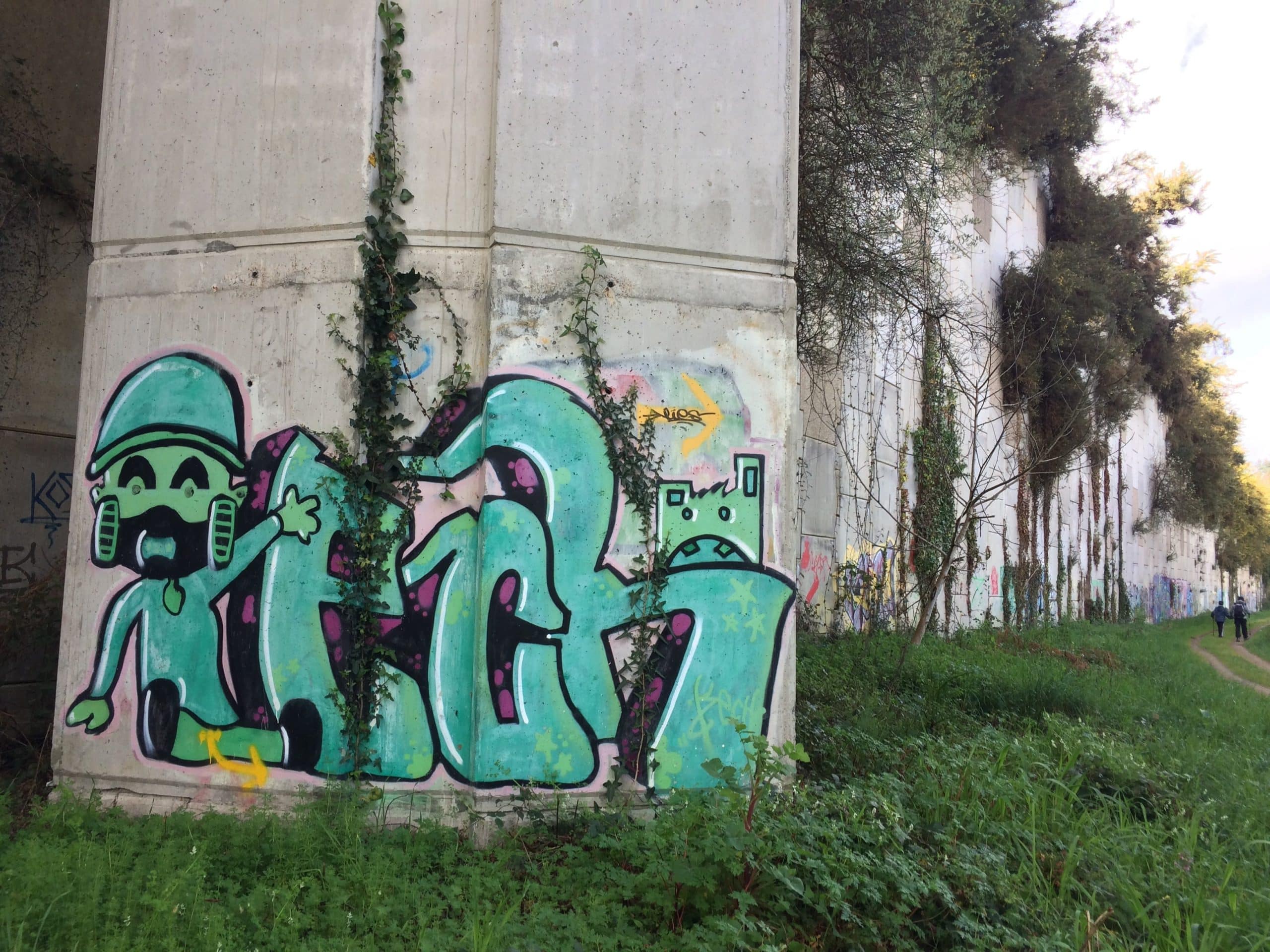
After this bridge we walked for a few minutes through a forest area under the motorway bridges before we entered Miño, a lovely coastal town with plenty of tiendas (shops) and cafeterías.

Camino Inglés: de Pontedeume a Betanzos
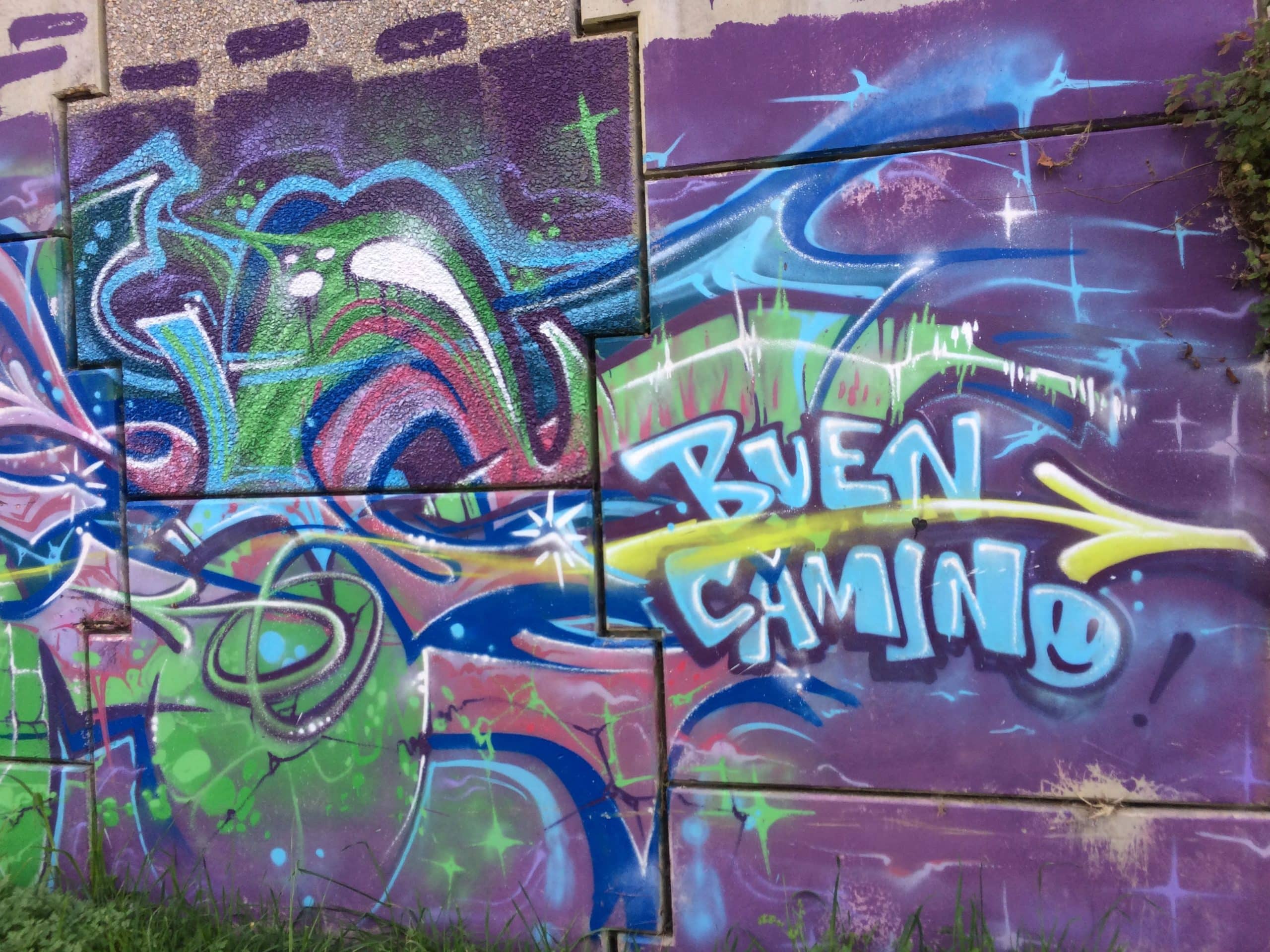
Graffiti under the motorway

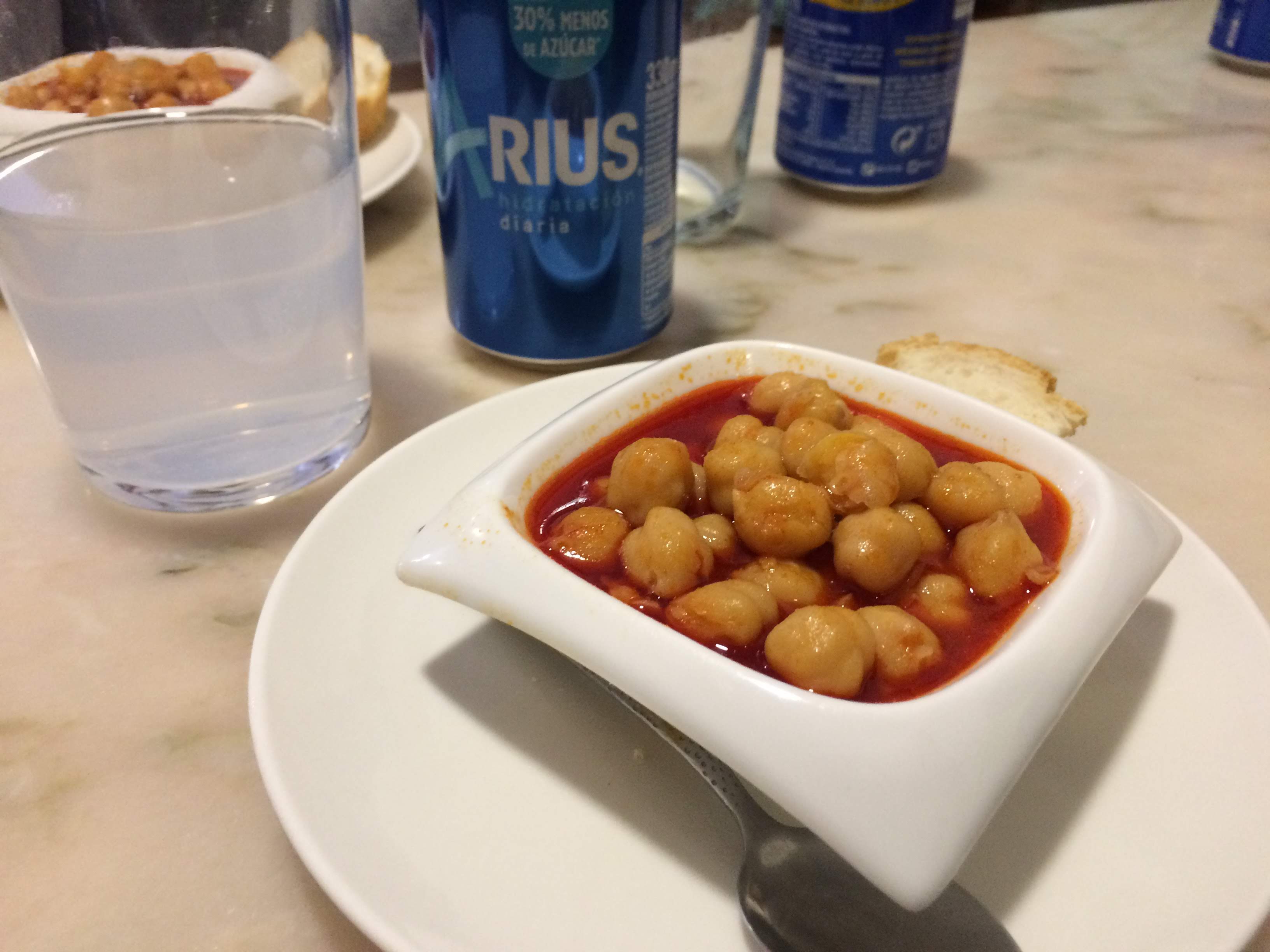
We stopped for a toilet break and to drink something that was not water. After eating the churros, we were not hungry and so we didn’t order any food. But we got a pincho de callos with our drinks.

Callos is a typical Spanish stew. As is usually the case with all traditional recipes, there are almost as many versions of callos as cooks. But they all have the same 2 main ingredients in common: beef tripe and garbanzos (chickpeas), as well as a bunch of spices.

I must say the callos tasted heavenly, like pretty much everything else we ate during those 3 days. I guess that’s one of the side effects of walking for hours.


So, now we were in Miño and we had to decide whether to keep walking or skip the rest of the stage and take a bus. And we took a vote: it was still early, the weather was holding up and our energy levels were OK, which means we decided to continue walking up to Betanzos (guess who was the only one who voted against it? Hint: teenager).

The rest of the stage, from Miño to Betanzos, goes through tiny villages and it’s mostly (or all) on paved roads. Just like days 1 and 2, it was lonely out there, our company just the odd caballo (horse) or perro (dog).

Camino Inglés: de Pontedeume a Betanzos
Camino Ingles: de Pontedeume a Betanzos

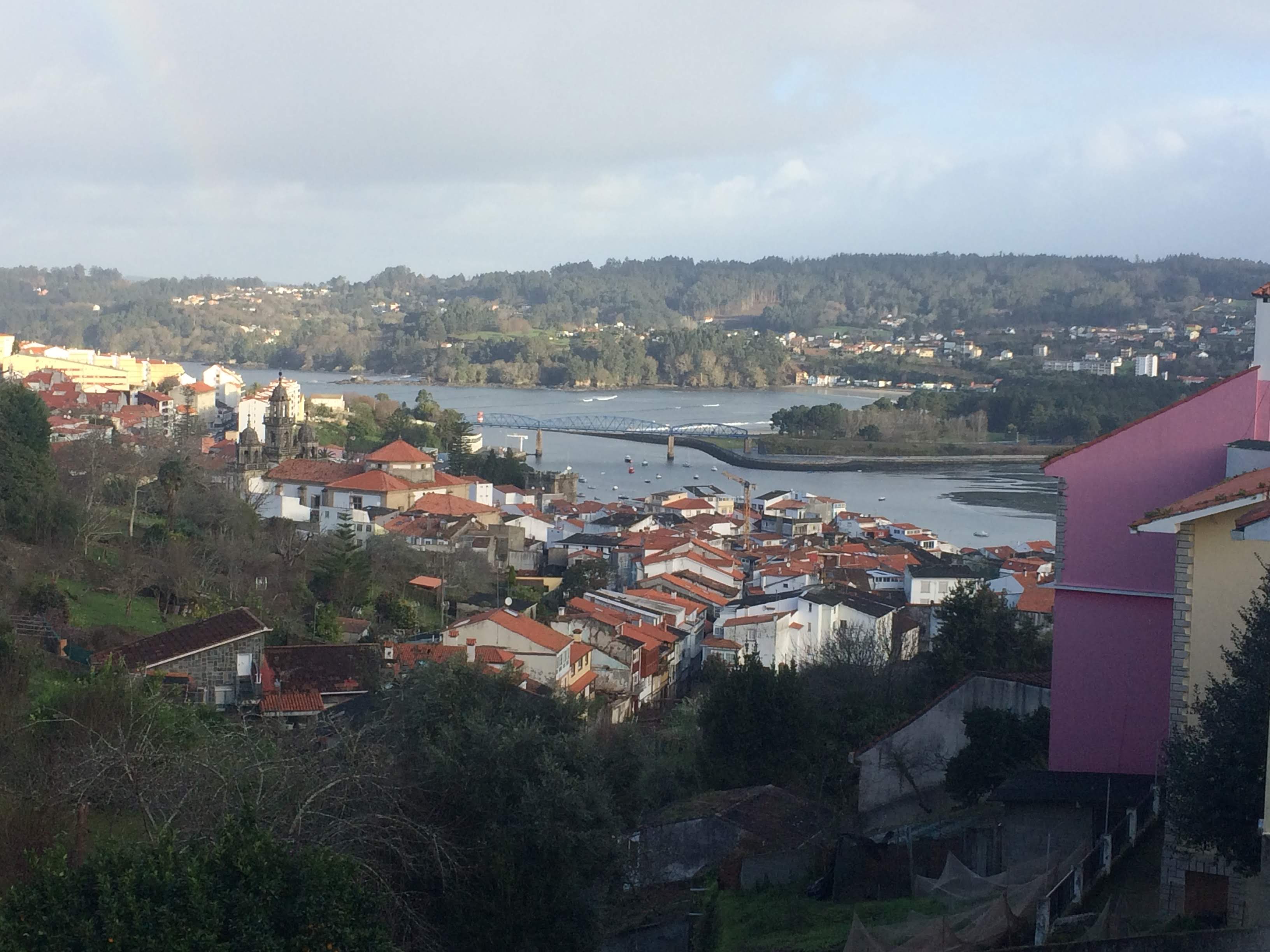
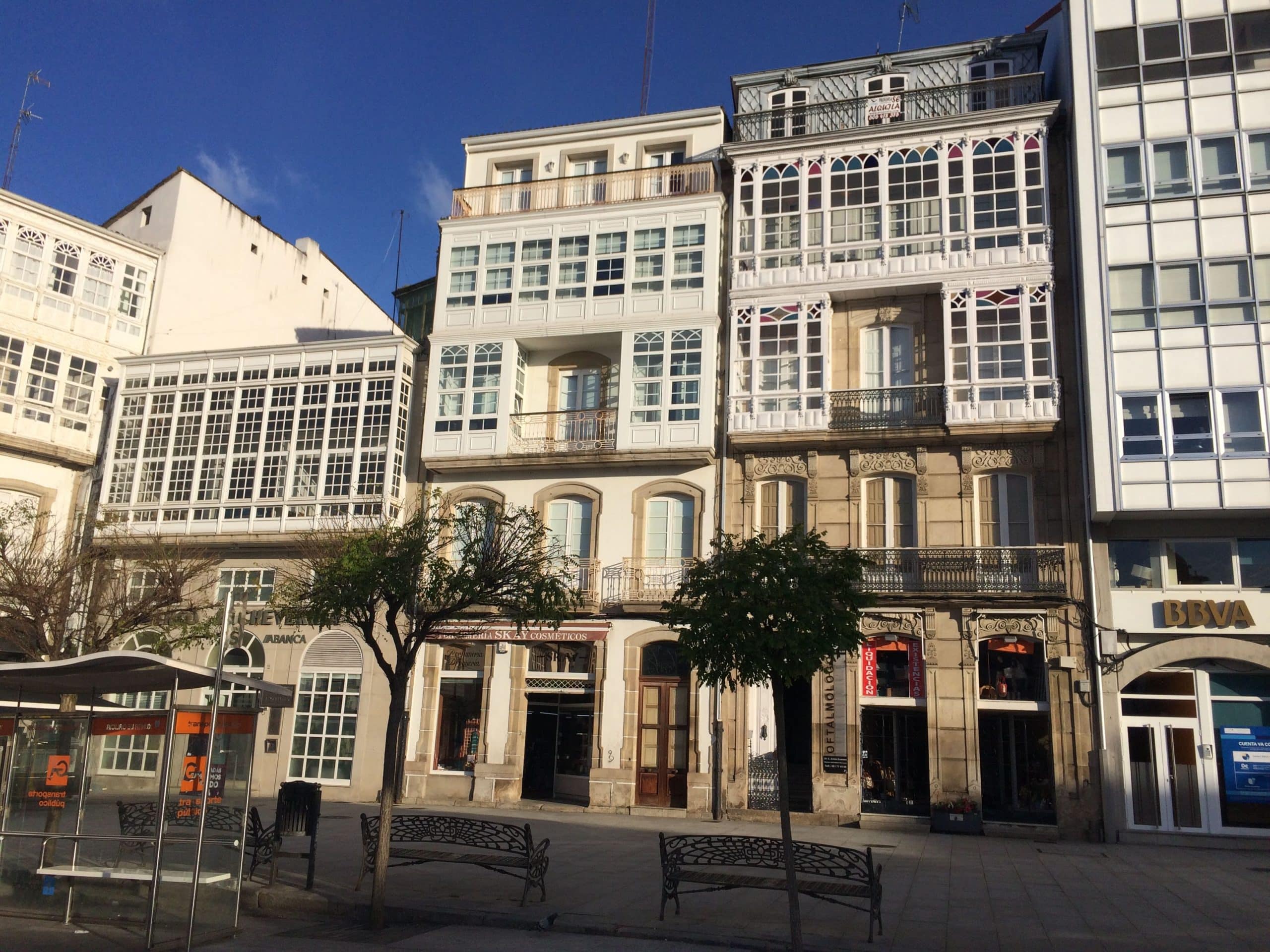
Betanzos

When we finally made it to Betanzos, our first priority was to find a place to eat, because it was getting late. Restaurant kitchens usually close at around 3.30 or 4.00pm and we didn’t want to wait until la cena (dinner) for a proper meal. There are many places to eat on two narrow streets off Praza Irmáns García Naveira. We tried one of them (I think it was Mesón Sabín) and they agreed to serve us, although I’m sure they were getting ready to close. ¡Gracias!

Among other things, Betanzos is famous for its tortillas de patatas. We got to taste one of them and a few other things as well. Again, everything tasted delicious!  (http://www.expansion.com/fueradeserie/gastro/2018/08/06/5b617442ca4741f5728b45e0.html)

After food, we headed to our accommodation. Shortly after we had arrived, it started raining, although it was not as bad as the previous day in Pontedeume.

As I explained before, we had to go back home on Tuesday in order to allow the kids some time to do homework and study for exams they had right after this short break. So, we got up early and explored Betanzos a bit before taking a bus back to A Coruña. There is a lot to see in Betanzos! (click here for more info).

Camino Inglés: de Pontedeume a Betanzos

My plan is to go back at the end of this month to complete it. So you’ll have to wait a bit for the rest of the story…


Today’s words of Spanish for the Camino

Want more?

Make sure you don’t miss any posts or announcements by subscribing for free here. You’ll receive a free Spanish vocabulary guide with your first Spanish words + cultural tips. And… you’ll get access to exclusive content too.
 

¡Buen Camino!

Camino Inglés: de Neda a Pontedeume

Camino Inglés: de Neda a Pontedeume

Welcome to Day 2 of my Camino Inglés: de Neda a Pontedeume. If you missed Day 1, you can catch up here.

On Day 2 of our Camino Inglés, we had planned to walk from Neda to Pontedeume, but the weather forecast was not good. In fact, we were on orange alert, with gales and heavy rain… or temporal, as we call it in Spanish.


Neda

We woke up to strong winds and grey skies. We checked our weather app again and the chances of lluvia (rain) during the morning seemed to be slim. The owner of our pensión looked quite sceptical when I commented that we might be lucky and make it to Pontedeume with no rain. But, in any case, we decided to leave and see how things went.

Neda was still asleep. We refilled our bottles at the fuente (fountain) outside the concello (town hall in Galician) and kept going.

Iglesia de Sta. María de Neda

We were in Paradise!

Refilling our bottles

The second day was the complete opposite of the first one. On the one hand, there was the issue of the weather. The rain held off until we make it to Pontedeume (phew!), but el viento (wind) was so strong that we could hardly walk at times. We would just hold on to each other so that no one fell, and we tried to keep moving.

This was not one of the windiest moments of the day


On the other hand, the terrain was quite different too. While Ferrol-Neda was mostly flat, Neda-Pontedeume was a bit of a rollercoaster, constantly going up and down. And I discovered that walking uphill is not one of my specialties!

My youngest daughter tends to be a fast walker. My husband is not, generally; but today he was in a hurry to make it to Pontedeume as soon as possible, before the rain started pouring. So the two of them walked in front.

Between the uphills and my tendency to stop and take pictures, I was constantly behind. My older daughter (the grumpy teenager), was kind enough to slow down and stay with her poor, slow mother. And that’s how we walked most of the time.

For me, the only good thing about the uphills is that, occasionally, you get rewarded with stunning views like these:

This stage was mostly through rural areas, either tiny aldeas (villages) or forests.


**Warning: rant ahead

A lot of the forest areas we crossed today were full of eucaliptos (eucalyptus). I often read other pilgrims’ posts in blogs or social media, about walking through an eucalyptus forest: it’s always about the wonderful smell, how nice it is and how much they love it.

Sorry, but I can’t agree on this one. I do like the smell of eucalyptus, but not in Galician montes (forests)! For me, eucalyptus equals economic interest, destruction of native vegetation and increased risk of fires, among other things. In short, a total disregard for the environment. So, walking through an eucalyptus forest (in Galicia) saddens me greatly **end of rant.


To stop or not to stop

Anyway, after going up and down a few times, we got to Fene, a larger town with cafeterías and other services. We took a vote and decided to continue.

More uphills, villages and eucalyptus. After one of these uphills through eucalyptus, we came to a couple of yellow arrows painted under a bridge, that seemed to indicate that we had to get off the path we were following. That didn’t seem right. So, after a couple of minutes’ deliberation and checking maps, we decided to stay on the path. Good decision: after a bend, we could see a stone marker a few metres ahead.

Shortly after, we came to an industrial state (Polígono Vilar do Colo) with a big Gadis supermarket and a bar-restaurante on the other side of the road. So we crossed and enjoyed a well-deserved break. Once inside we realised the place is linked to a petrol station (or gas station, depending where you are from) and small convenience store.

After the break, we went back out into the wind and continued our walk through some more villages until we came to this crossroads:


More decisions

Again, like in Day 1, we had to decide: continue on the “regular” Camino (right) or take the Camino complementario (left). The latter added almost 2 km to our day, the first one included a dangerous spot, according to the information panel.

Yesterday we were all in agreement: skip the Camino complementario.

Today, it was hard to decide. On the one hand, nobody wanted to add unnecessary kilometres to our day. But we didn’t want to take risks either. Or at least, the more responsible adults didn’t; teenagers didn’t really agree. So, we took the longer route, which includes plenty more uphills. Yay!

Eventually, we joined the “regular” Camino, walked through Cabanas and crossed the bridge that gives Pontedeume its name.

We had booked a couple of rooms at Pensión Luis, so that’s where we headed. All the rooms have private bathrooms and the price is €15.00 per person.

After dropping our mochilas in the rooms, we had lunch at the restaurant they have downstairs (menu for €9.00; tasty and abundant).

After lunch we went out with the intention of exploring Pontedeume, but it soon started raining and rain gear was back at the pensión, so we went to our rooms. Good excuse to go back to Pontedeume.

Anything is possible during the Carnival. While we were having lunch, a group of ancient Romans came into the restaurant. They parked their vehicles outside. Later, while the Romans were still eating, a gust of wind dragged chariots and horses all over the street.

For more info about Pontedeume, click here.

Theme of the day

On Day 1 we say at least 6 “tanque de tormentas”. I must admit I don’t remember ever seeing one of those and I had to check out what they were. Apparently, these structures generally hold water from storm water runoff and release it gradually, reducing damage from erosion and other physical changes.

On Day 2, we kept seeing a different type of construction: lavaderos. Women used to gather around them to do their laundry in the past. According to this article, Cabanas council has been repairing some of them, not just because of their historical value, but also to turn them into meeting points and rest areas for pilgrims.

Day 1: tanques de tormentas

Day 2: Lavaderos

It was again a lonely day. I think we encountered a couple of people only: a woman in Fene saw us while we were deciding whether to stop or to continue, she thought we were lost and showed us the way. And later, we saw a guy on a tractor. That was it! And we saw horses again.

Will the weather improve for Day 3? Will there be a new theme? All will be revealed in the next post.


Today’s Spanish words

Want more?

Make sure you don’t miss any posts or announcements by subscribing for free here. You’ll receive a free Spanish vocabulary guide with your first Spanish words + cultural tips. And… you’ll get access to exclusive content too.


¡Buen Camino!